Understanding Hospital Price Variations in New York
When evaluating commercial health plan options, understanding how medical costs are structured is critical for American employers and health plan members. According to the Annual Healthcare Accountability Report released by the NYC Department of Health and Mental Hygiene, commercial health plan payments for identical medical services across the New York metropolitan area vary dramatically.
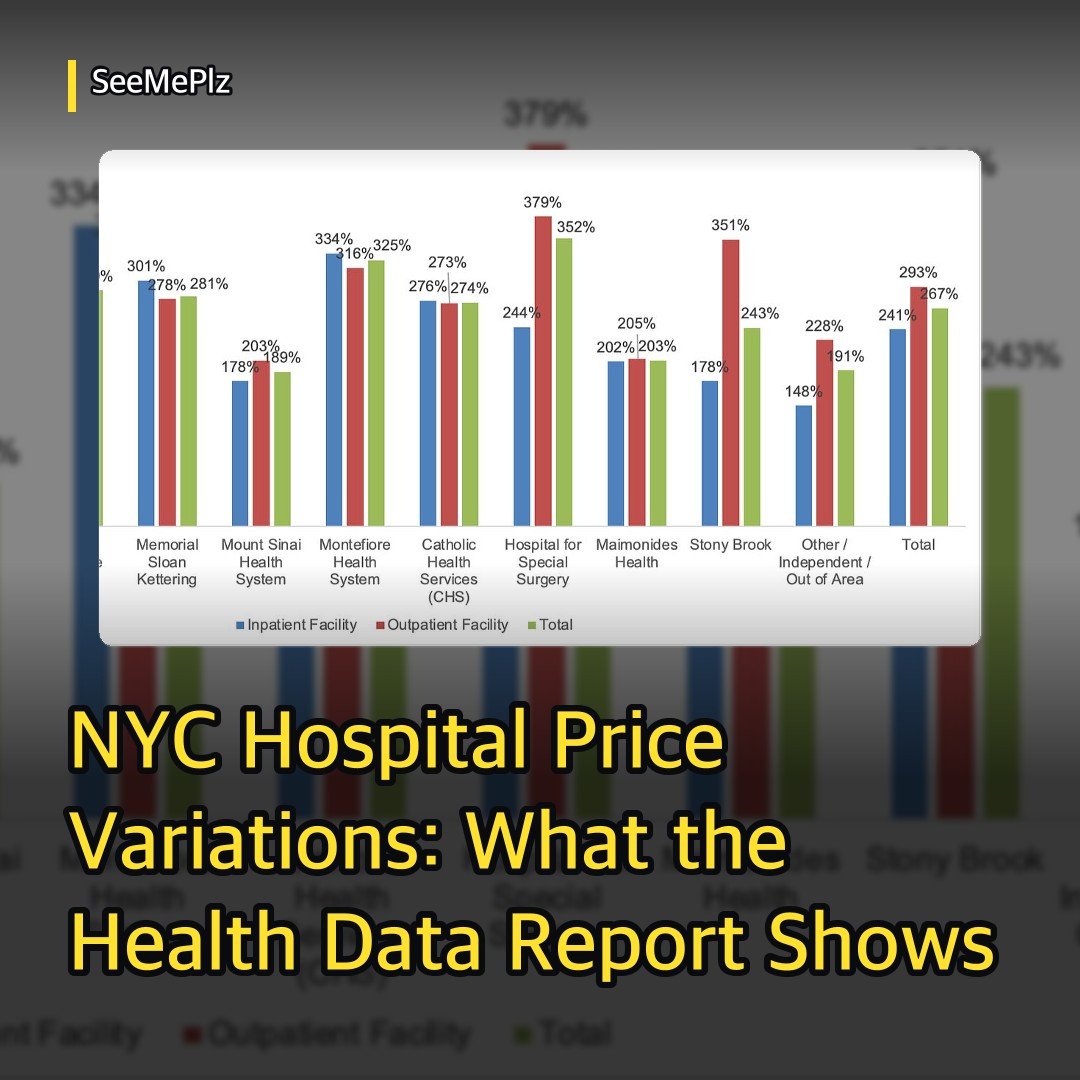
The report evaluates hospital prices by expressing them as a percentage of what Medicare allows, utilizing actual allowed amounts rather than billed charges. Key data from the report sheds light on market pricing dynamics and negotiating leverage among major health systems.
Key Findings from the Healthcare Accountability Report
The analysis highlights massive disparities in negotiated rates across different facilities and service categories:
- Procedure Price Spreads: Negotiated rates for a cesarean section delivery ranged from $7,000 to $64,000. Similarly, negotiated rates for a colonoscopy spanned from $640 to $13,000.
- Commercial Plan Disparities: Commercial health plan allowed prices were frequently twice as high at one hospital compared to another.
- Outpatient Care Costs: In most instances, the price ratio relative to Medicare allowable rates was highest for outpatient hospital services.
- Nonprofit Spending on Free Care: Nonprofit hospitals spent just 2% of their revenue on free care when measured at the actual cost of care.
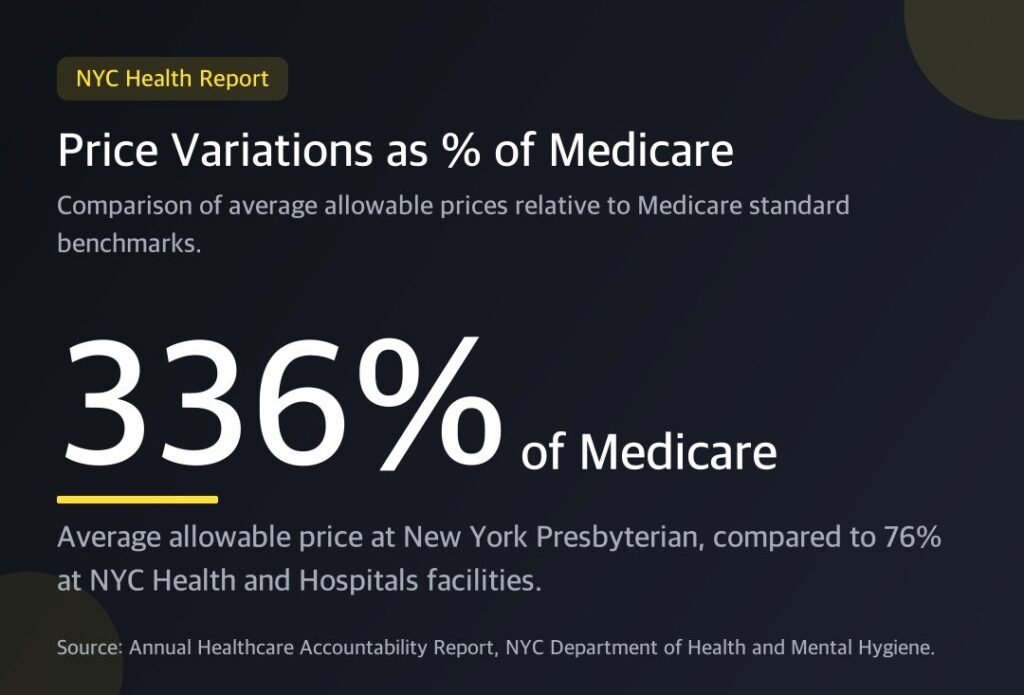
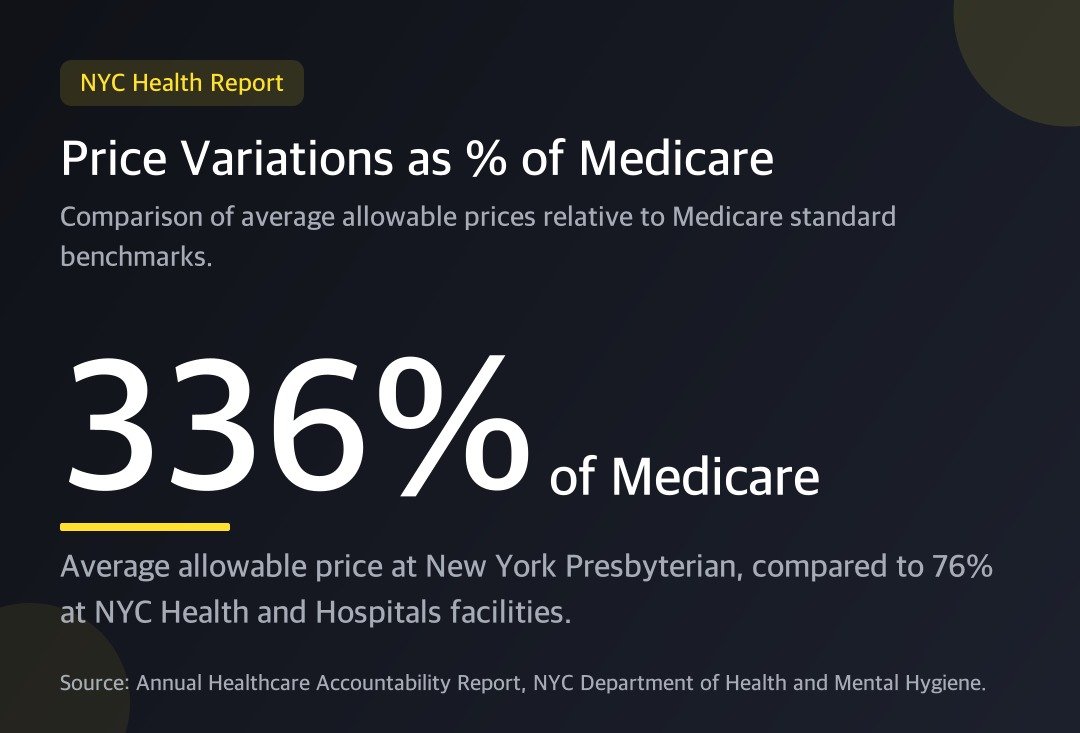
- System-Specific Allowable Prices: The allowable Medicare-referenced prices for New York City Health and Hospitals facilities averaged 76% of Medicare, while major private nonprofits like New York Presbyterian averaged 336% of Medicare.
Implications for Health Plan Purchasers
The report outlines several strategic takeaways for evaluating health benefits and managing overall healthcare expenses:
- Evaluate Allowable Prices: Reviewing health plan discounts alone is insufficient; total cost impact can only be gauged by evaluating actual allowable prices for specific providers.
- Leverage Freestanding Centers: Because hospital outpatient departments feature high allowable prices, steering members toward freestanding medical centers can significantly reduce overall healthcare costs.
- Emergency Department Alternatives: Total costs for emergency department care remain very high, emphasizing the value of programs that successfully divert patients to urgent care, primary care, or telehealth services.
- Government Program Context: High commercial prices were not associated with a higher proportion of patients on government programs, indicating that commercial cost spikes cannot be blamed on lower government reimbursement rates.