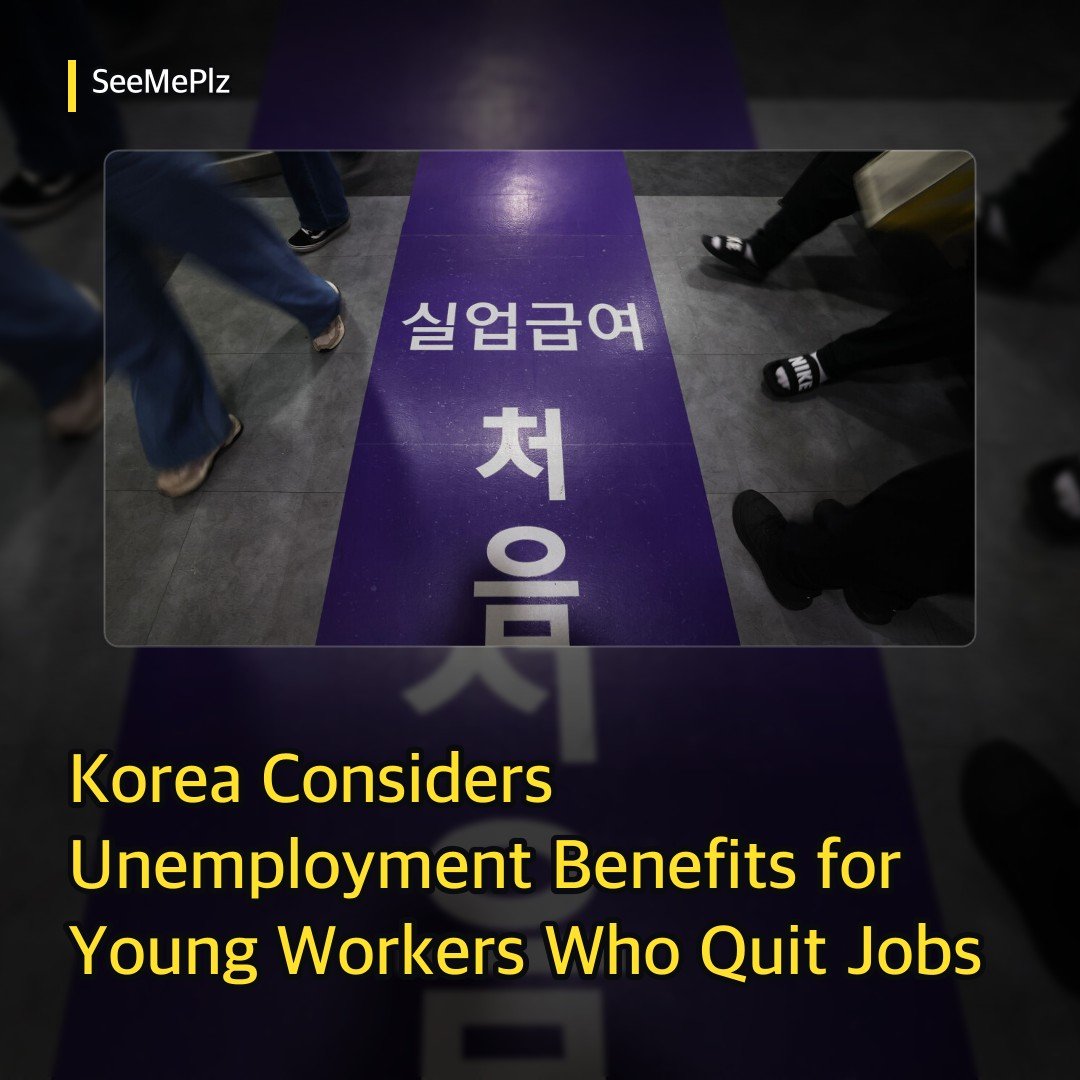
South Korea’s Ministry of Employment and Labor is exploring a new policy that could provide unemployment benefits to young workers under the age of 35 who choose to leave their jobs voluntarily, according to a report by the parliamentary think tank National Assembly Research Service (NARS).
Proposed Benefit Structure and Limits
Under current South Korean regulations, individuals who resign can generally receive jobless benefits only if they have a legitimate reason, such as unpaid wages or workplace harassment. The newly considered proposal aims to address high rates of voluntary departures among younger demographics by offering a one-time benefit.
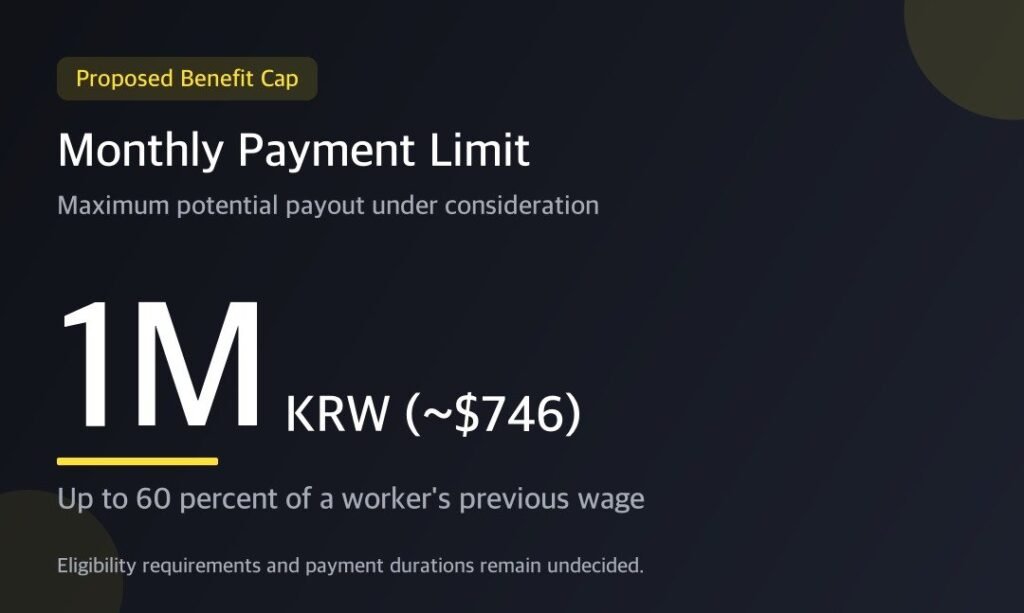
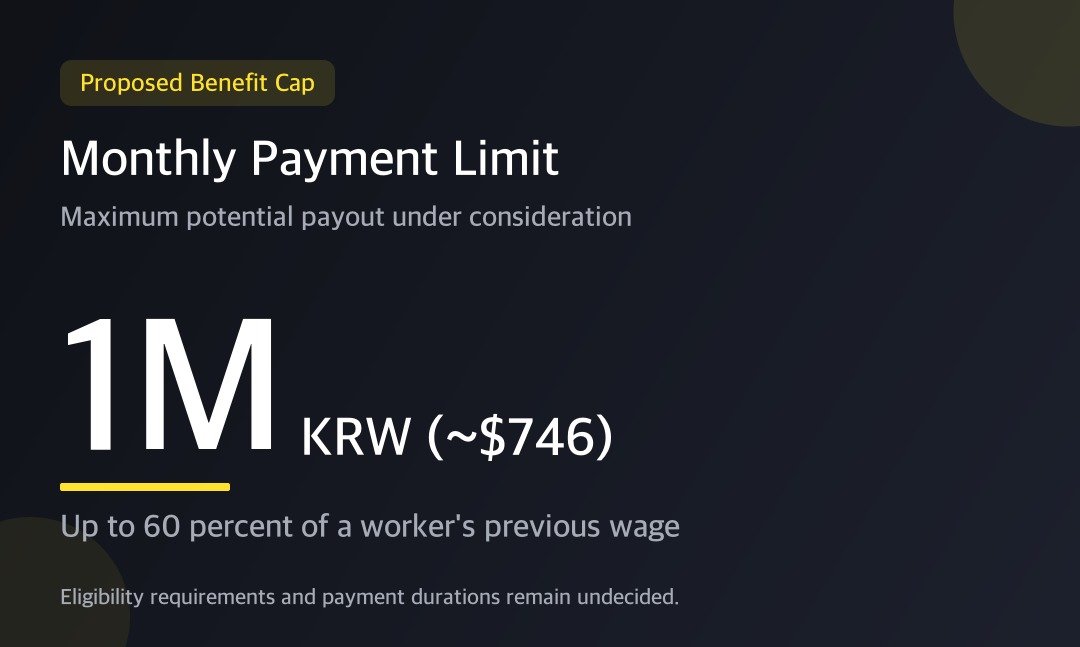
- Benefit Amount: The proposal suggests paying 60 percent of a worker’s previous wage, capped at up to 1 million won (approximately $746) a month.
- Lifetime Limit: Each eligible individual could claim the benefit only once in their lifetime.
- Status: Specific eligibility requirements and the exact duration of payments have not yet been decided, and the program was not included in the upcoming year’s budget proposal.
Risk of Resignations and Waiting Periods
Concerns have been raised about whether providing benefits for voluntary quits might encourage workers to leave their jobs prematurely. However, NARS concluded that the risk of people quitting solely to claim the benefit is low. The proposed 1 million won cap is about half the current minimum unemployment benefit, and the lifetime restriction limits long-term dependency.
To prevent payouts to individuals who quickly find new employment, NARS recommended introducing a waiting period before benefits begin. Data shows that approximately 34.4 percent of job changers in South Korea moved to a new position within seven days of quitting, and 46.7 percent did so within 30 days.
Addressing System Fairness and Root Causes
The research service also highlighted fairness concerns regarding young people who currently fall outside the employment insurance system. In 2023, an estimated 550,000 individuals aged 15 to 34 lacked coverage because they were self-employed or engaged in other nonwage work. NARS recommended expanding coverage based on income and utilizing national tax records to identify eligible workers.
Furthermore, NARS emphasized that the government must address the underlying reasons why young workers resign. In an economically active population survey, 44.4 percent of young respondents cited dissatisfaction with pay, working hours, and general working conditions as the primary reason for leaving their first job. To combat this, NARS suggested tying corporate subsidies—such as the Youth Job Leap Incentive, which subsidizes wages for companies hiring young workers—directly to improvements in pay and working conditions rather than solely tracking hiring numbers.