
What the CMS Final Rule Means for Medicare Drug Negotiations
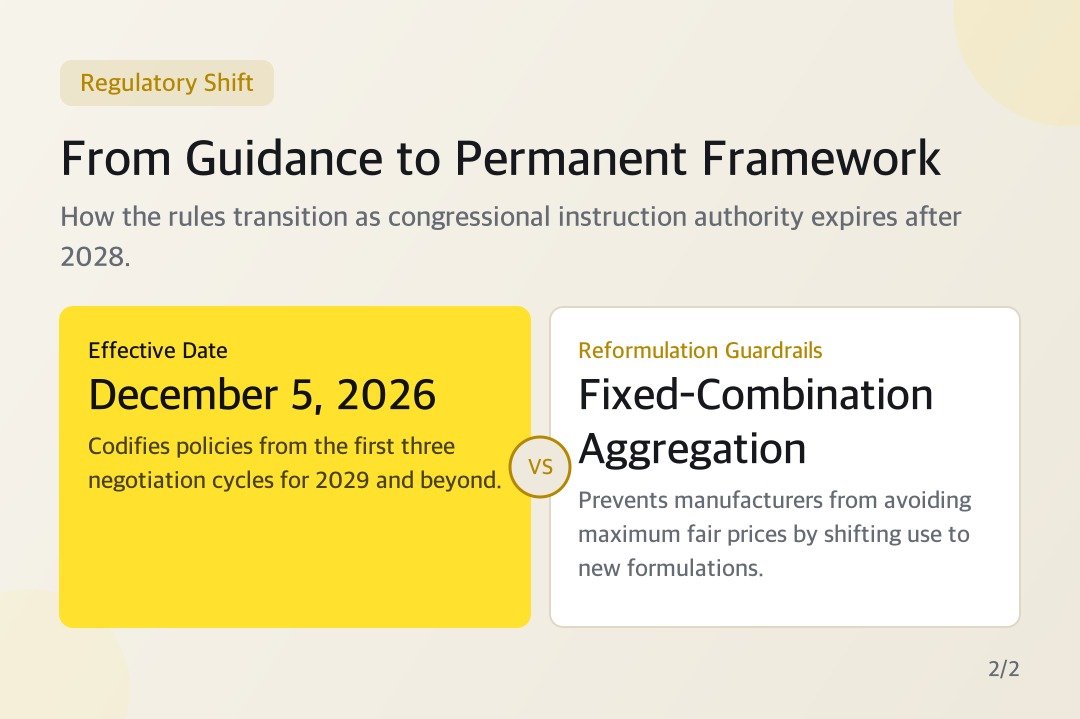
The Centers for Medicare & Medicaid Services (CMS) has finalized a permanent regulatory framework for the Medicare Drug Price Negotiation Program, locking in rules for initial price applicability year 2029 and later years. Published on November 9, 2026, and taking effect on December 5, 2026, this rule replaces temporary guidance as the program’s statutory instruction authority expires after 2028.
For American beneficiaries and taxpayers, the framework aims to deliver greater value while preserving pharmaceutical innovation incentives. It establishes permanent protocols for selecting high-spending medications, negotiating maximum fair prices, preventing reformulation workarounds, and integrating negotiated rates into Medicare Part D.
Drug Selection and Ranking for 2029 and Beyond
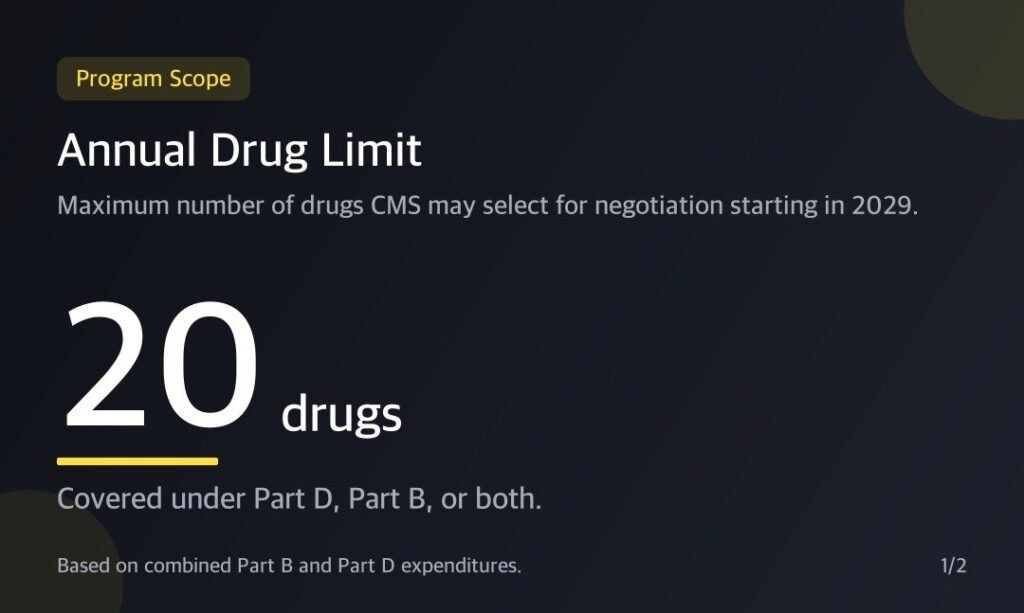
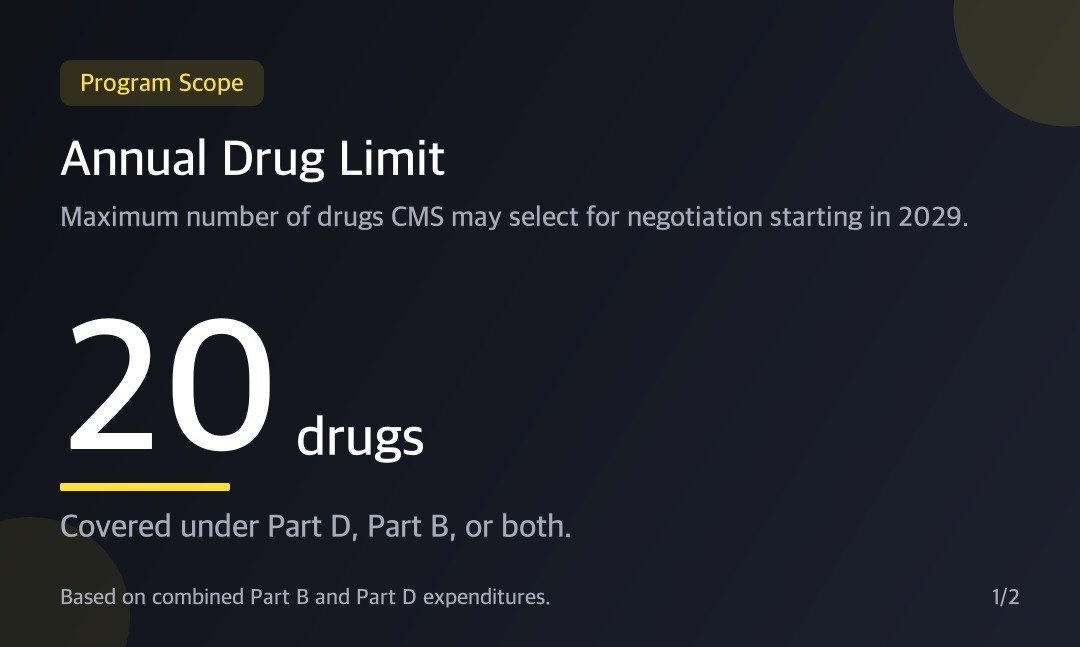
Starting in 2029, CMS has the authority to select up to 20 drugs covered under Part D, payable under Part B, or both, for each initial price applicability year.
- Combined Expenditures: CMS ranks negotiation-eligible drugs using combined Part B and Part D spending.
- Medicare Advantage Utilization: For Part B drugs, calculations include estimated Medicare Advantage utilization derived from encounter data alongside Original Medicare payment amounts.
- Bona Fide Marketing Standards: To lose negotiation eligibility or selected-drug status through generic or biosimilar availability, a drug must demonstrate meaningful, ongoing competition under strict agency definitions.
- Orphan-Drug Exclusion: Drugs qualify for this exclusion only if all approved indications are for designated rare diseases or conditions.
Preventing Fixed-Combination Reformulation Workarounds
To safeguard program integrity, CMS changed how it treats specific fixed-combination products. If a fixed-combination drug shares active components with another product held by the same new drug application or biologics license application holder, CMS will aggregate them if the added component creates a new formulation enabling an alternative administration route.
By treating all dosage forms and strengths as a single potential qualifying single-source drug, CMS prevents manufacturers from shifting patient use to new formulations to delay selection or avoid maximum fair prices.
Negotiation Mechanics, Ceilings, and Small Biotech Protections
CMS establishes one maximum fair price based on a 30-day equivalent supply, which applies uniformly across all dosage forms and strengths of a selected drug.
- Temporary Floor for Small Biotech Drugs: For eligible drugs negotiated or renegotiated for 2029 or 2030, CMS implements a statutory temporary floor that prevents the agency from offering or accepting counteroffers below a specific statutory amount.
- Adjusted Ceilings: CMS modified its ceiling calculations when statutory ceilings fall below the temporary floor, keeping the floor operational while retaining core methodology.
Medicare Part D Formulary Access and Compliance Rules
Under the finalized regulations, Medicare Part D plans must include each covered selected drug on their formularies while a maximum fair price remains in effect. Additionally, the negotiated price used to pay dispensing entities is capped at no more than the maximum fair price plus applicable dispensing fees.
To ensure adherence, CMS is authorized to monitor compliance, mandate corrective action, and impose civil money penalties for specific violations, such as breaching negotiation agreements, knowingly submitting false information, or failing to meet rebate requirements following biosimilar-delay requests.