Understanding the Medicare GLP-1 Bridge Program
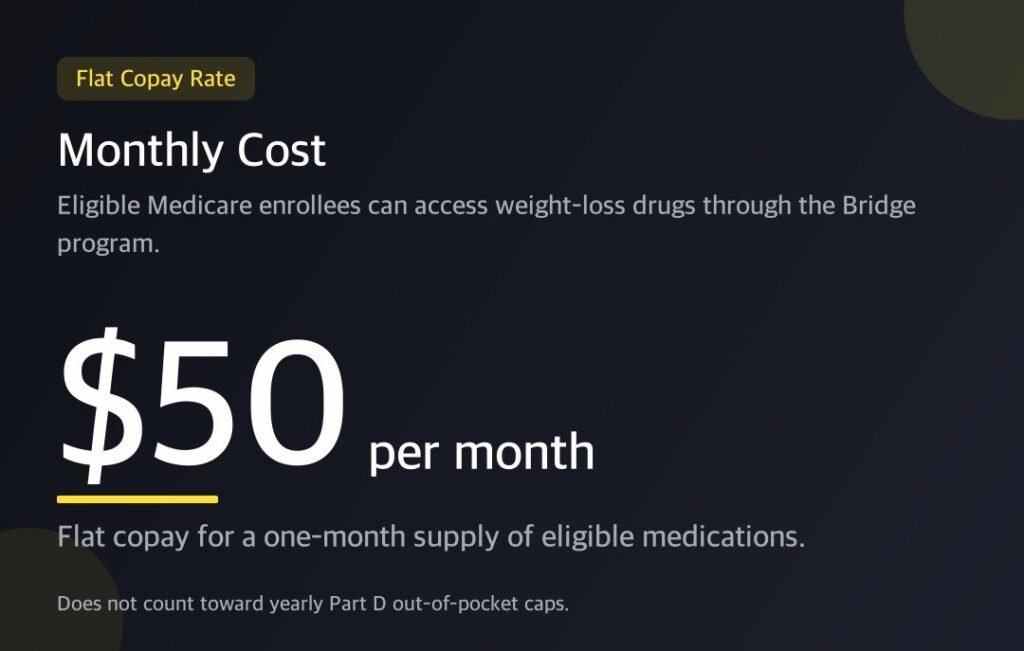
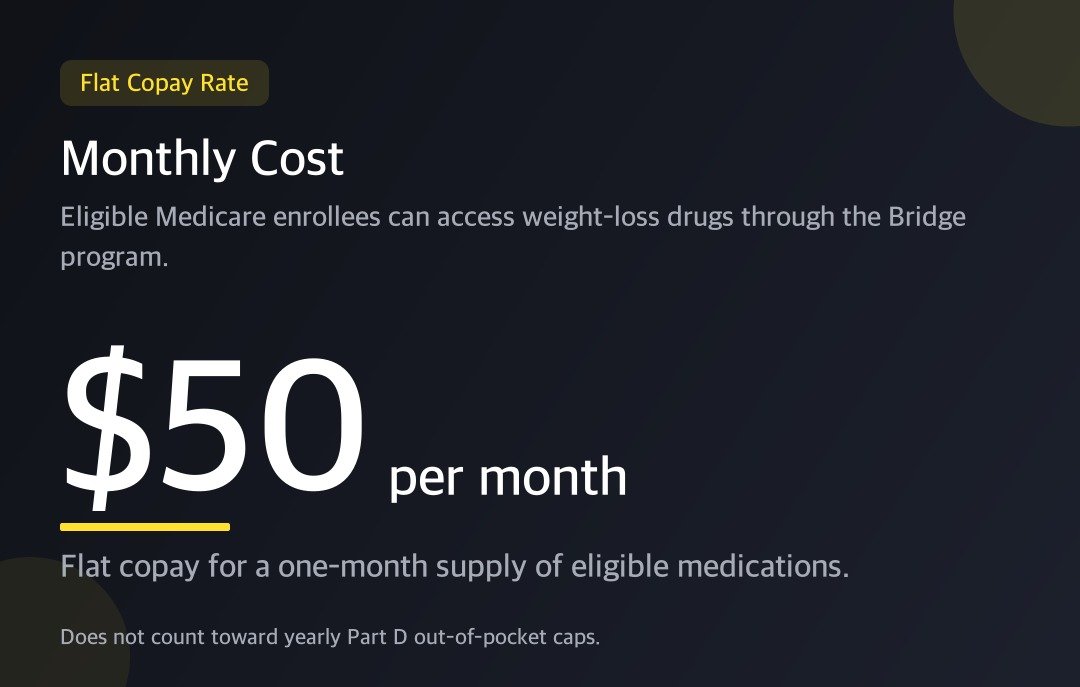
The Medicare GLP-1 Bridge program allows eligible enrollees to access specific weight-loss medications—including Wegovy, Foundayo, and the Zepbound KwikPen—for a flat copay of $50 per one-month supply. Managed through Eli Lilly and Medicare guidelines, this initiative opened on July 1 and has already seen more than half a million prescriptions filled, expanding access for older Americans.
However, qualifying for this $50 rate involves navigating specific federal and program requirements. Understanding these criteria helps you determine whether you qualify or if your health history routes you through a standard Part D plan instead.
5 Rules That Decide Who Qualifies and What It Costs
Qualifying for the $50 monthly price depends on strict criteria outlined in Medicare fact sheets. Reviewing these five core rules clarifies coverage availability:
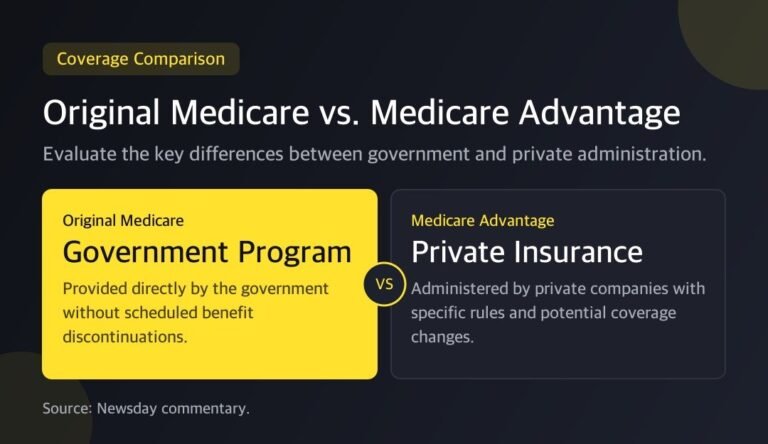
- 1. Medicare Part D Coverage Is Required: The Bridge is exclusively for individuals with Part D coverage, whether through a stand-alone drug plan or a Medicare Advantage plan that includes prescription drug benefits. Private fee-for-service plans, cost plans, and PACE programs do not qualify.
- 2. Health History and BMI Criteria Must Match: Medicare requires specific body mass index (BMI) thresholds paired with health conditions. A BMI of 35 or higher qualifies automatically. A BMI of 30 or higher works if you have certain types of heart failure, hard-to-control high blood pressure, or stage 3a (or above) chronic kidney disease. A BMI of 27 or higher qualifies if you have prediabetes or a prior heart attack, stroke, or blocked arteries in your limbs.
- 3. Certain Conditions Route You to Your Standard Drug Plan: Individuals diagnosed with type 2 diabetes, moderate-to-severe sleep apnea, or fatty liver disease cannot use the Bridge program. Instead, Medicare instructs them to check with their regular drug plan, which may cover a GLP-1 for those specific indications.
- 4. Filling Through Your Plan First Can Block Access: If you are already receiving medications like semaglutide, tirzepatide, or liraglutide through a Medicare drug plan, you must continue getting them through that plan. The Bridge program is primarily designed for those newly starting treatment.
- 5. The $50 Copay Does Not Count Toward Yearly Limits: Payments made under the Bridge do not apply toward your Part D deductible or your yearly out-of-pocket cap. Furthermore, federal Extra Help programs do not lower the $50 monthly copay, making the annual cost fixed at $600 regardless of other prescription spending.
Program Timeline and Expiration
Initially scheduled to conclude on December 31, 2026, the Medicare GLP-1 Bridge has been extended through December 31, 2027. Because broader permanent pricing structures within Part D have not yet been finalized by the government, enrollees utilizing the $50 copay should verify their coverage options and plan for potential changes ahead of future open enrollment cycles.