Understanding the 2025 Medicare Drug Price Negotiation Changes
Recent policy updates under the federal 2025 tax and spending law have introduced significant adjustments to how Medicare handles prescription drug price negotiations. While previous initiatives under the Biden administration enabled Medicare to negotiate prices for some of the costliest prescription drugs, the newer legislation expanded exemptions for specific medications.
For Americans relying on Medicare, these shifts impact how certain high-cost medications and treatments are priced, particularly those designated for rare diseases or conditions through the orphan drug exclusion.
How the Orphan Drug Exclusion Affects Medicare Beneficiaries
The 2025 tax and spending law broadened an existing exemption framework, often referred to as the orphan drug exclusion. This provision allows specific medications developed for rare conditions to delay or entirely avoid Medicare price negotiations.
- Exclusion Scope: Delays or prevents negotiation eligibility for certain costly drugs.
- Pricing Impact: Enables manufacturers to maintain current pricing structures that might otherwise have been reduced through direct Medicare negotiations.
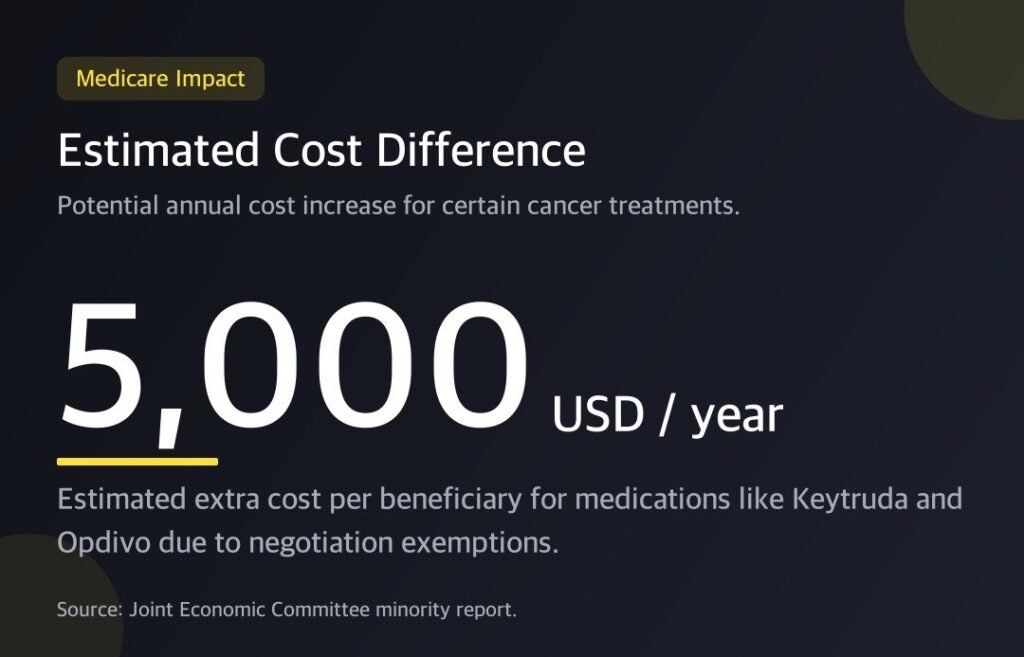
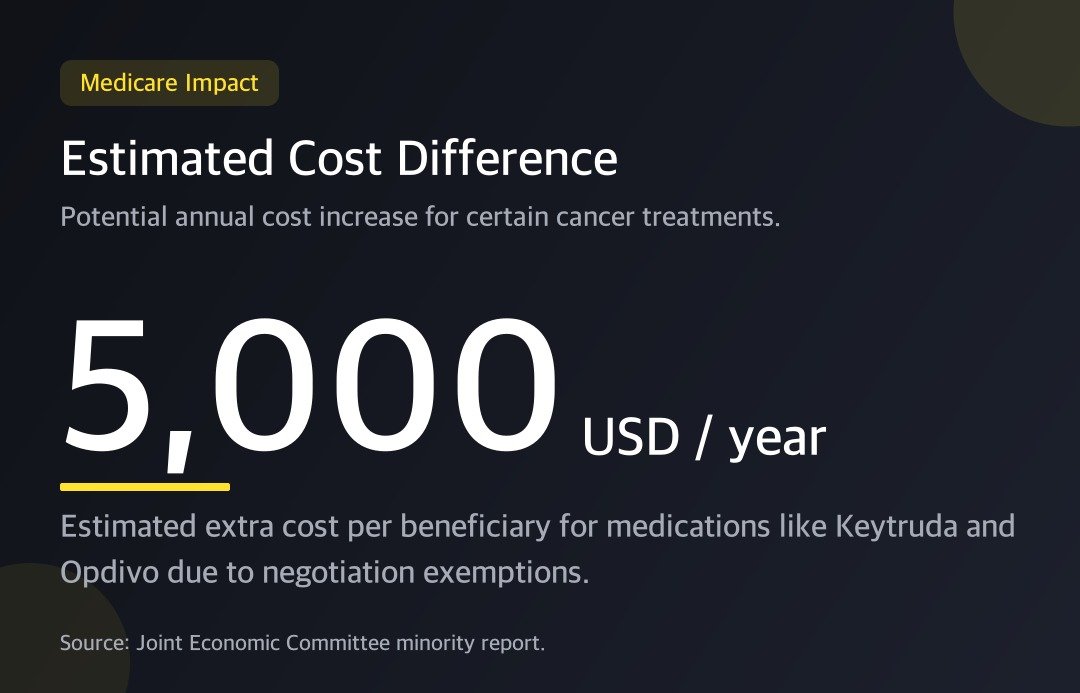
- Cost Projections: Congressional reports and healthcare research from organizations like KFF note that beneficiaries receiving certain cancer treatments—such as Keytruda (manufactured by Merck) and Opdivo (manufactured by Bristol Myers Squibb)—could face thousands of dollars more annually compared to what they might pay if Medicare negotiations applied.
Policy Debate and Healthcare Cost Implications
Supporters of the expanded exemptions argue that shielding these medications encourages pharmaceutical companies to continue investing in research and development for rare diseases. Without these carveouts, proponents claim, innovation in specialized treatments might decline.
On the other hand, critics and congressional watchdogs emphasize that the policy also benefits makers of blockbuster medications, potentially leaving Medicare recipients and the program itself footing higher bills. According to a report by the Joint Economic Committee’s minority arm, these exemptions create financial burdens for seniors and individuals relying on Medicare for essential cancer therapies.
What This Means for Your Healthcare Planning
Navigating prescription drug costs under Medicare requires staying informed about how legislative changes alter out-of-pocket expenses. Beneficiaries utilizing specialized therapies or rare-disease medications should review their annual Medicare Part D or Medicare Advantage plan coverage details to understand how exemptions influence specific drug tiers and pricing throughout the year.