What is the CMS Health Tech Ecosystem and Slack Workspace?
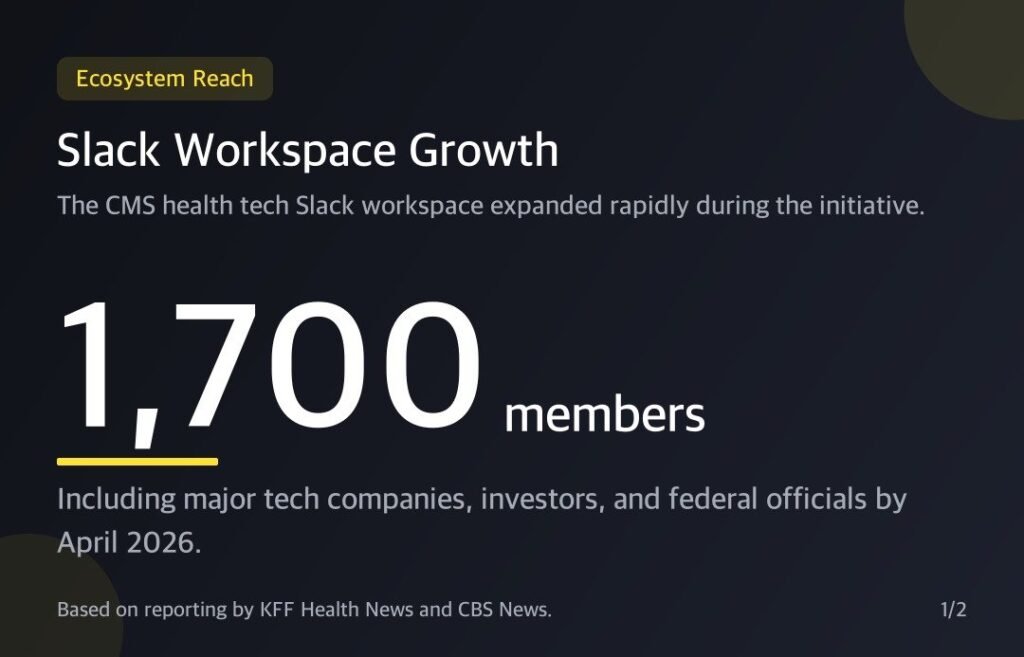
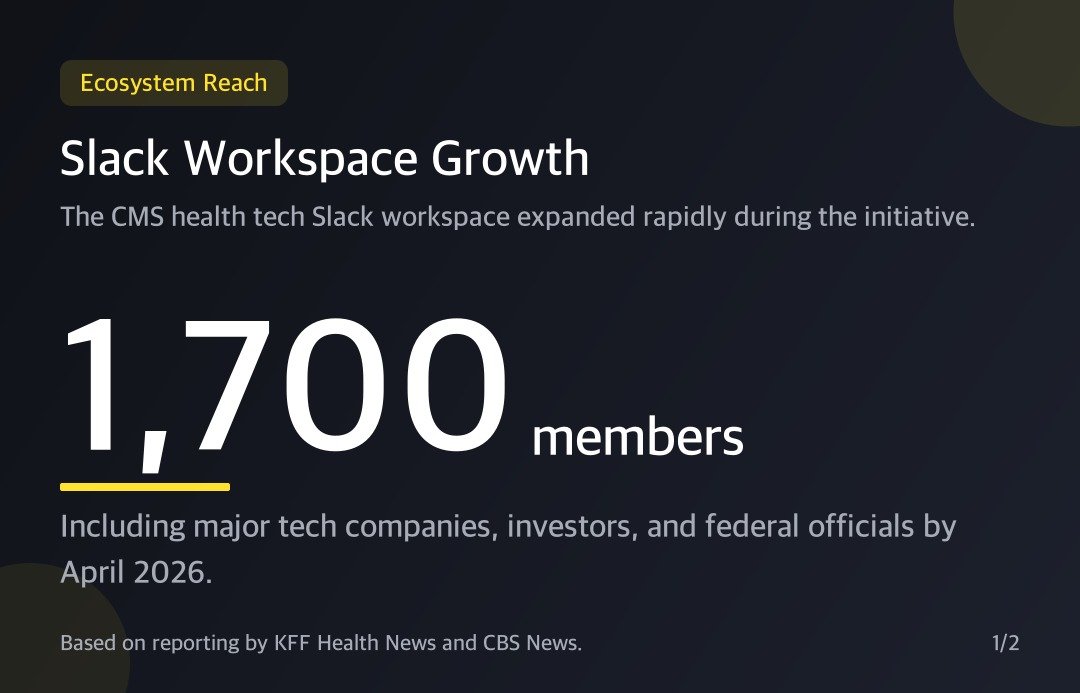
The Centers for Medicare & Medicaid Services (CMS) launched its Health Technology Ecosystem to make patient medical records easier to access, share, and use through shared technical standards like FHIR R4 and SMART on FHIR. Alongside this public initiative, CMS operated a private Slack workspace that grew to include roughly 1,700 members, featuring major technology companies, investors, consultants, and health entrepreneurs like Microsoft, OpenAI, Anthropic, Apple, and Google.
While federal agencies routinely seek technical guidance from outside specialists, reports from KFF Health News and CBS News highlighted that this private channel brought tech companies into recurring contact with federal officials. This included closed sessions with the Food and Drug Administration (FDA) to discuss conversational AI products and shape future guidance, raising questions about industry access compared to the limited presence of doctors, hospital representatives, and patient advocates.
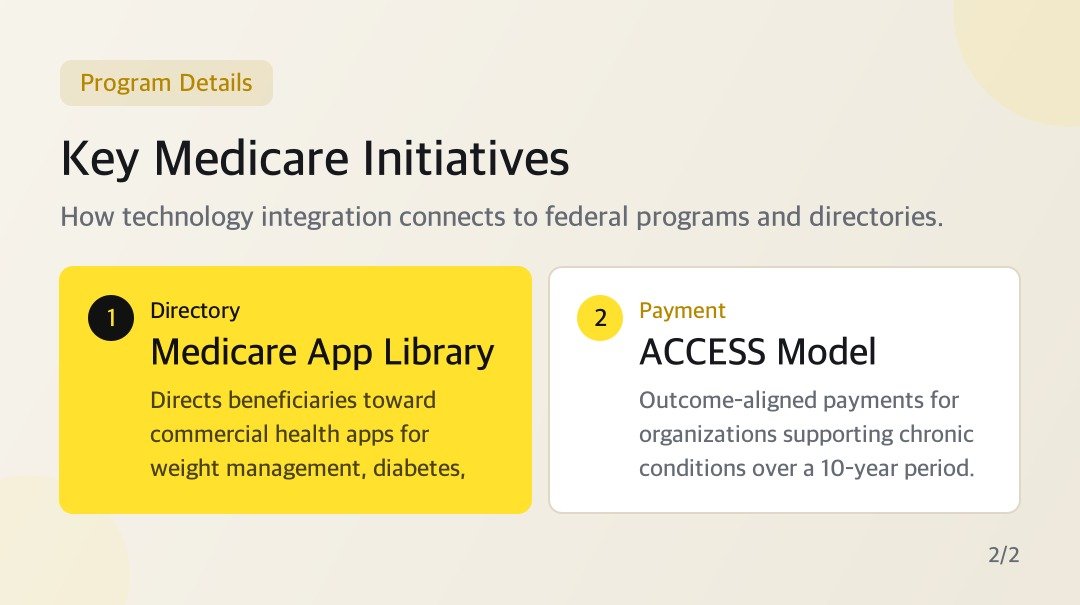
Understanding the Medicare App Library
As part of the HealthTech Ecosystem, CMS introduced the Medicare App Library to direct older adults and people with disabilities toward commercial health applications. Early listings cover conditions such as weight management, diabetes support, cancer care, and AI-assisted health guidance.
- Trust vs. Endorsement: CMS officials noted that beneficiaries may perceive a federal listing as an institutional endorsement, even though Medicare does not formally declare an app safe, effective, or clinically superior.
- Submission Rules: To be listed, applications must join the Health Technology Ecosystem pledge and meet strict requirements for identity verification, interoperability, security, privacy, and outside accreditation.
- Data Integration: Approved applications can gather patient records from multiple hospitals, laboratories, specialists, and pharmacies into a single view, allowing AI assistants to personalize responses using laboratory results, medication histories, and wearable data.
Connection to Medicare Payments and the ACCESS Model
In July 2026, CMS launched the ACCESS Model (Advancing Chronic Care with Effective, Scalable Solutions), a ten-year voluntary program creating outcome-aligned payments for organizations supporting people with chronic conditions like high blood pressure, diabetes, chronic musculoskeletal pain, and depression.
Under this model, clinicians can collaborate with organizations providing remote monitoring, applications, coaching, or technology-supported services. Initial tracks cover conditions affecting more than two-thirds of Medicare beneficiaries, with additional tracks for heart failure, chronic obstructive pulmonary disease, substance-use disorder, and tobacco cessation scheduled for April 2027.
- Priority and Exemptions: CMS suggested that Medicare App Library participants could receive priority treatment within the ACCESS Model. Public submission pages indicate that ACCESS participants receive a special library designation and are exempt from certain CMS review and trial-access requirements.
- Commercial Value: Participating companies can leverage a single ecosystem to obtain medical-record connections, appear in a Medicare directory, build beneficiary trust, and participate in outcome-based payment models.
Privacy and Data Considerations for Beneficiaries
While portable medical records give patients more control by letting verified individuals avoid separate portal accounts for every provider, moving sensitive information into independent consumer applications creates a privacy trade-off. Once a patient directs a provider to send records into a consumer app, the legal protections can change, placing a strong emphasis on why patients must carefully review how private applications handle their complete medical histories.