
Medicare Advantage Benefits Scaling Back in 2027
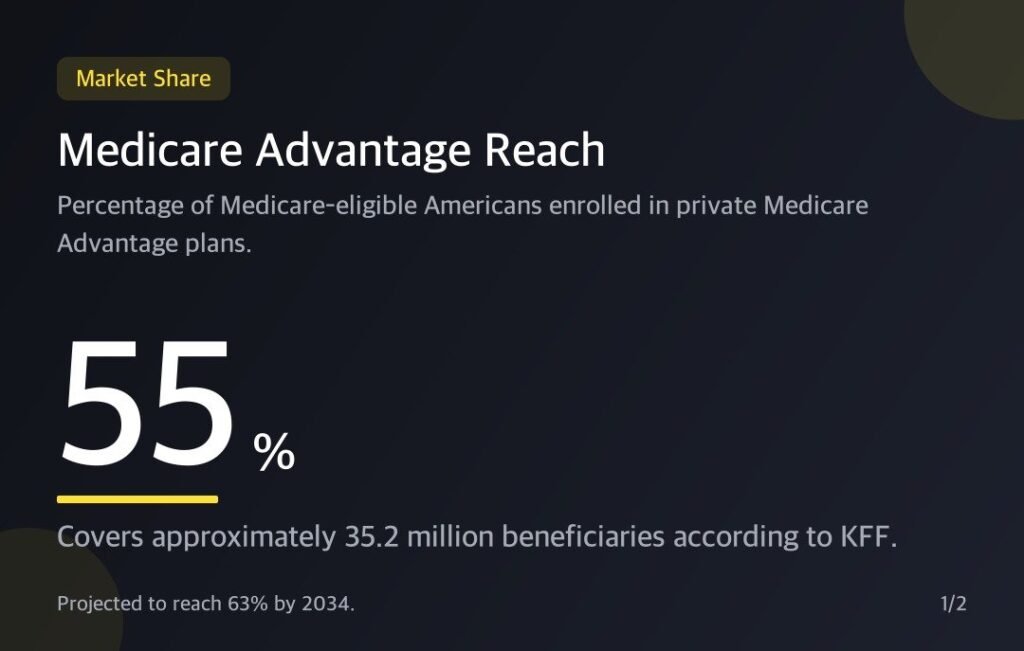
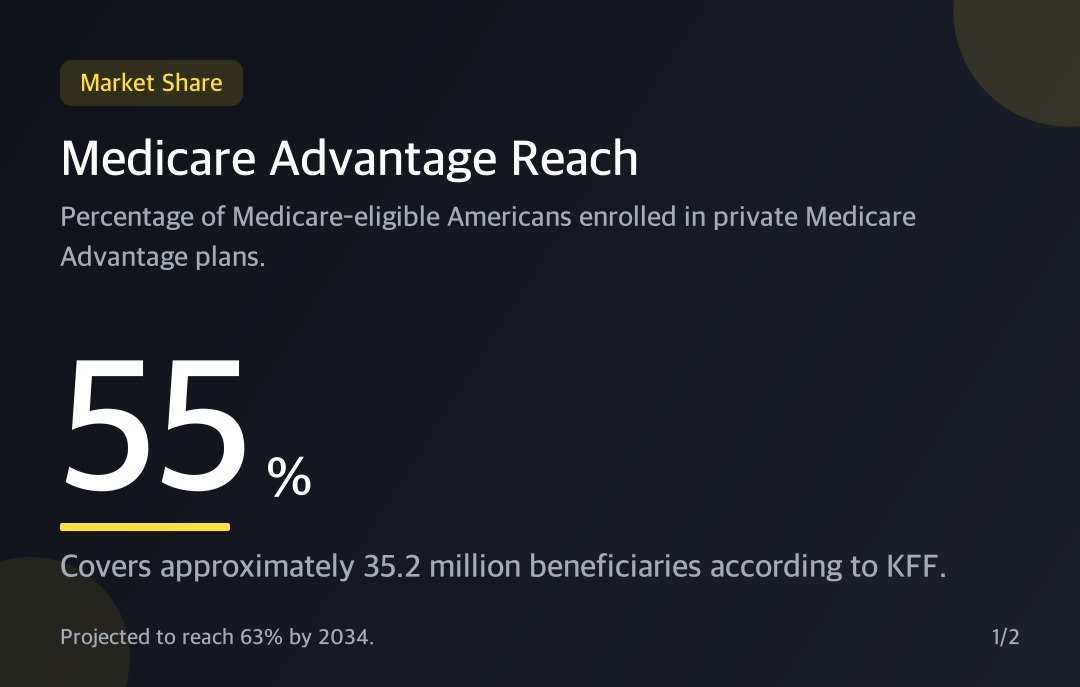
Medicare Advantage programs currently cover roughly 35.2 million beneficiaries, representing 55% of all Americans eligible for Medicare. While these private health plans have drawn in millions with popular extra perks that traditional Medicare does not typically offer—such as gym memberships, dental services, and vision care—significant changes are on the horizon.
According to industry reports and benefit filings, several insurers are beginning to reduce the value of these supplemental benefits. Rising health care costs, stricter reimbursement rates, and broader policy adjustments are prompting providers to curb or eliminate perks that seniors have heavily relied on.
Which Medicare Advantage Benefits Are Changing?
Enrollees should review their upcoming plan details closely, as several specific supplemental benefits are becoming less common:
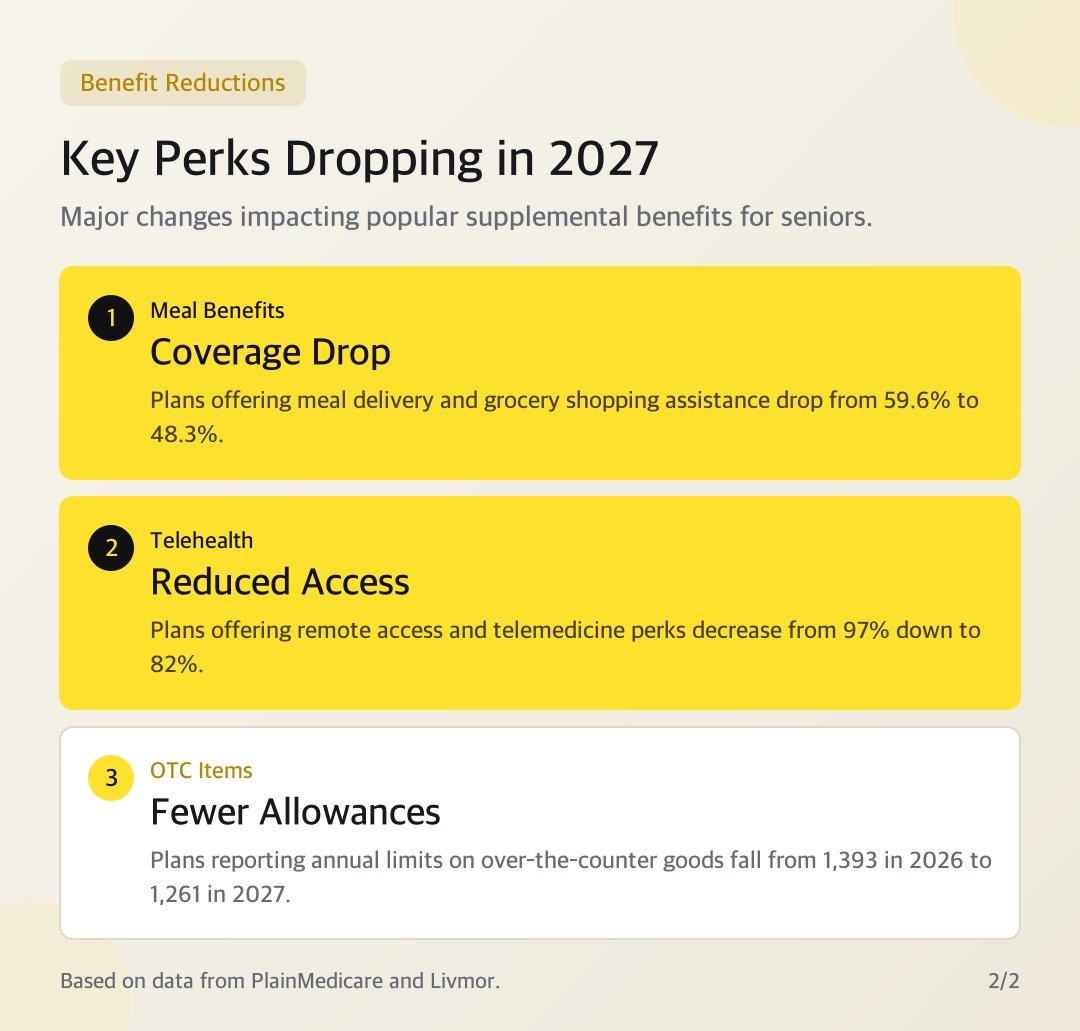
- Over-the-Counter (OTC) Allowances: Plans offering a reported annual limit on OTC items used for goods like aspirin, toothpaste, and vitamins dropped from 1,393 in 2026 to 1,261 in 2027, based on PlainMedicare’s analysis of CMS plan benefit filings.
- Meal Benefits: Coverage for meal delivery services or grocery shopping assistance for seniors with physical or medical conditions is dropping significantly, moving from 59.6% of plans down to 48.3%.
- Telehealth Services: Remote access technologies allowing patients to receive medical care without a doctor’s office visit are decreasing from about 97% of plans in 2026 to 82% in 2027.
- Transportation Benefits: Perks helping enrollees travel to doctors, pharmacies, and other locations at no cost are becoming even harder to find, dropping from 30% of plans down to 24%.
Why Are Insurers Cutting Back?
Providers of Medicare Advantage plans are implementing these reductions primarily to contain rising health care costs. Insurers are facing tighter reimbursement rates alongside an increased utilization of medical services by beneficiaries. Organizations like the Better Medicare Alliance also point to ongoing funding cuts and policy changes as key drivers behind the scale-back of these supplemental benefits.
Furthermore, some large health systems have severed ties with specific Medicare Advantage networks, meaning some seniors may find that their preferred doctors are no longer covered under their current plan.
How Beneficiaries Can Respond
With inflation already raising the cost of everyday goods and services, losing supplemental benefits can put a significant strain on fixed-income budgets. Fortunately, beneficiaries have the opportunity to evaluate their coverage options each year.
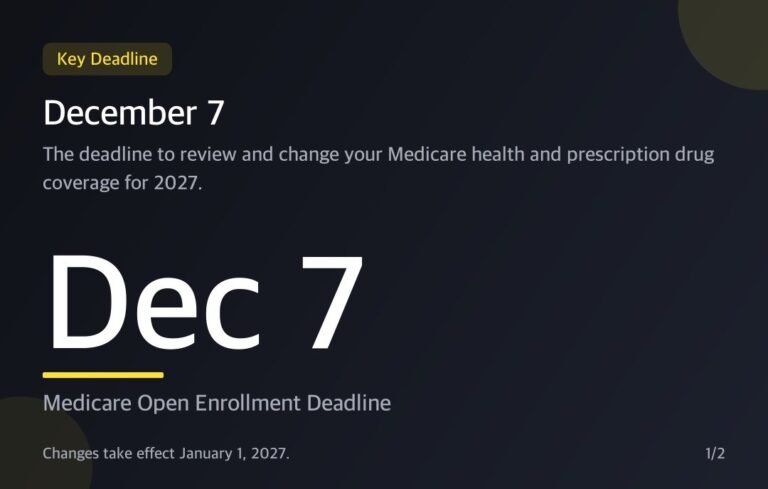
The annual Medicare open enrollment period runs from October 15 to December 7. Taking time to thoroughly research available plan options and selecting a policy that aligns with your specific health care needs can help mitigate unexpected out-of-pocket expenses and ensure you secure the most affordable and comprehensive coverage possible for 2027.