
What Happens If Your Medicare Advantage Plan Is Terminating?
If you received a termination letter stating that your Medicare Advantage plan is ending or will not renew effective December 31, you are not alone. Millions of beneficiaries are facing plan terminations, raising concerns about maintaining coverage for ongoing medical treatments, prescriptions, and doctor visits.
Fortunately, federal rules and special enrollment periods protect you, ensuring you can transition to new coverage without facing a lapse in benefits or unfair medical underwriting.
Key Medicare Enrollment Dates and Timelines
Navigating plan changes requires paying close attention to specific federal enrollment windows:
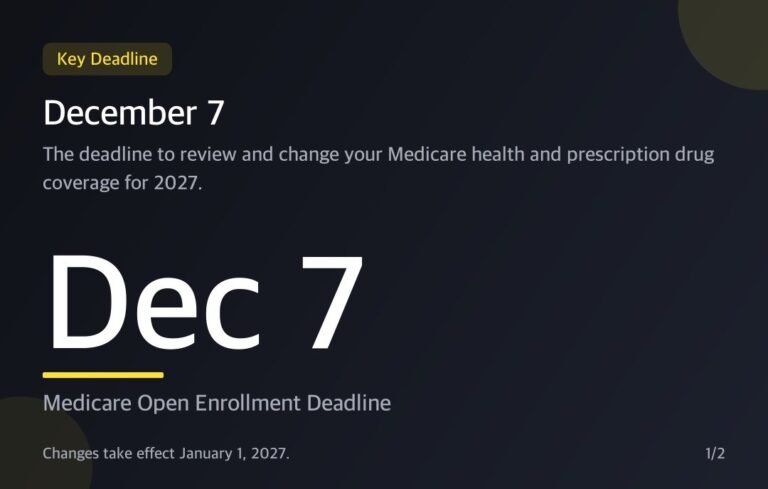
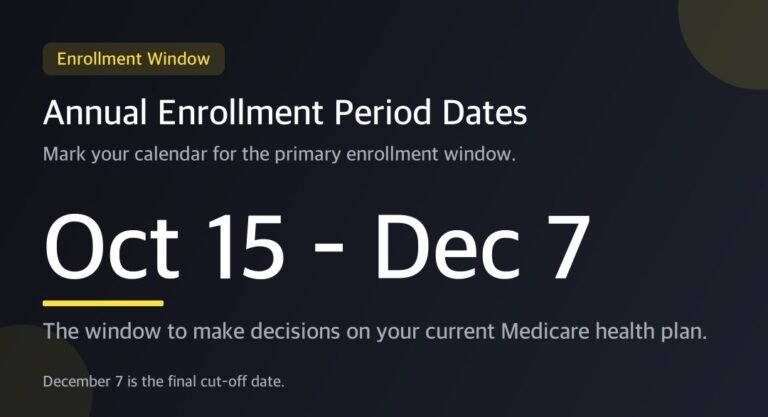
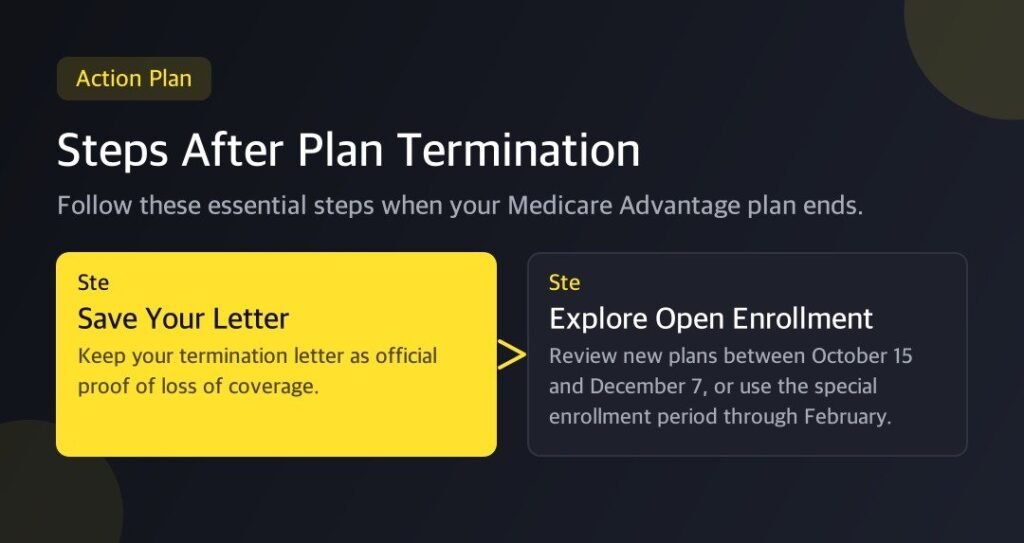
- Medicare Open Enrollment Period (October 15 – December 7): This is the official window to pick and enroll in a new Medicare Advantage or Part D prescription drug plan, which will take effect on January 1.
- Special Enrollment Period (December 8 – End of February): If your Medicare Advantage plan was terminated or not renewed, this extended window gives you extra time to explore and secure alternative coverage.
Medigap Guaranteed-Issue Rights After Plan Termination
Losing your Medicare Advantage plan triggers a federal right to purchase a Medicare supplement policy (Medigap) without going through medical underwriting. To utilize this protection, you must switch back to Original Medicare within the protected window of the special enrollment period.
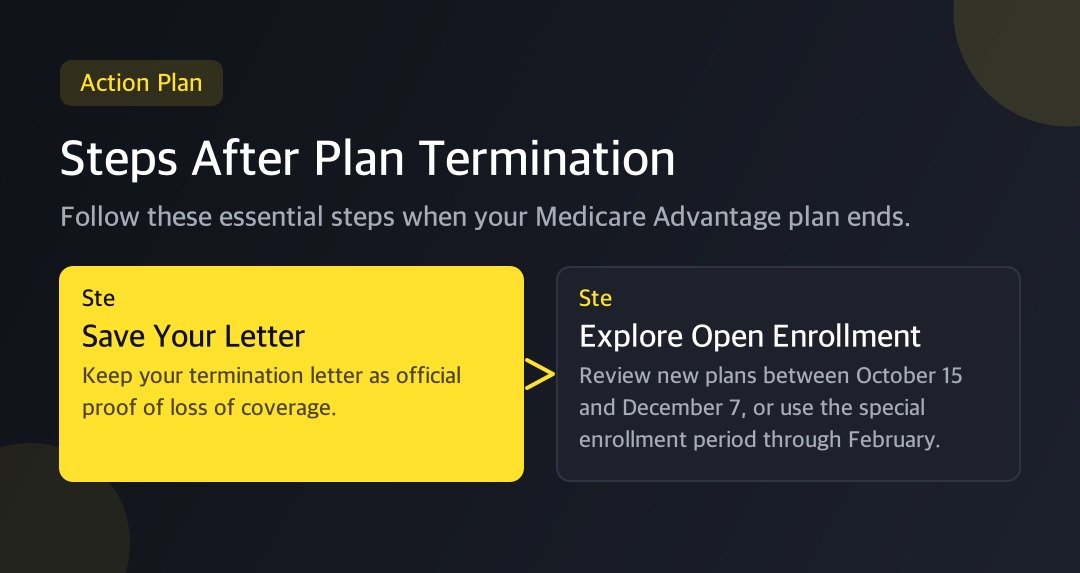
- Keep Your Notice: Be sure to keep your termination letter as official proof of loss of coverage and attach it to your application.
- 63-Day Window: You have a 63-day window to apply without having to answer health underwriting questions.
- Pre-existing Conditions: Insurance companies must cover all pre-existing health conditions and cannot charge you higher rates based on past or present health problems.
Available Medigap Plans Under Guaranteed Issue
When exercising guaranteed-issue rights, insurance companies must sell you a Medicare supplement policy such as Plan A, B, C, F, K, or L, with specific eligibility distinctions based on when your Medicare Part A began:
- Part A began after January 1, 2020: You are eligible for Plan G, but not Plan F or C.
- Part A began before January 1, 2020: You are not eligible for Plan G, but have the option of Plan F or C.