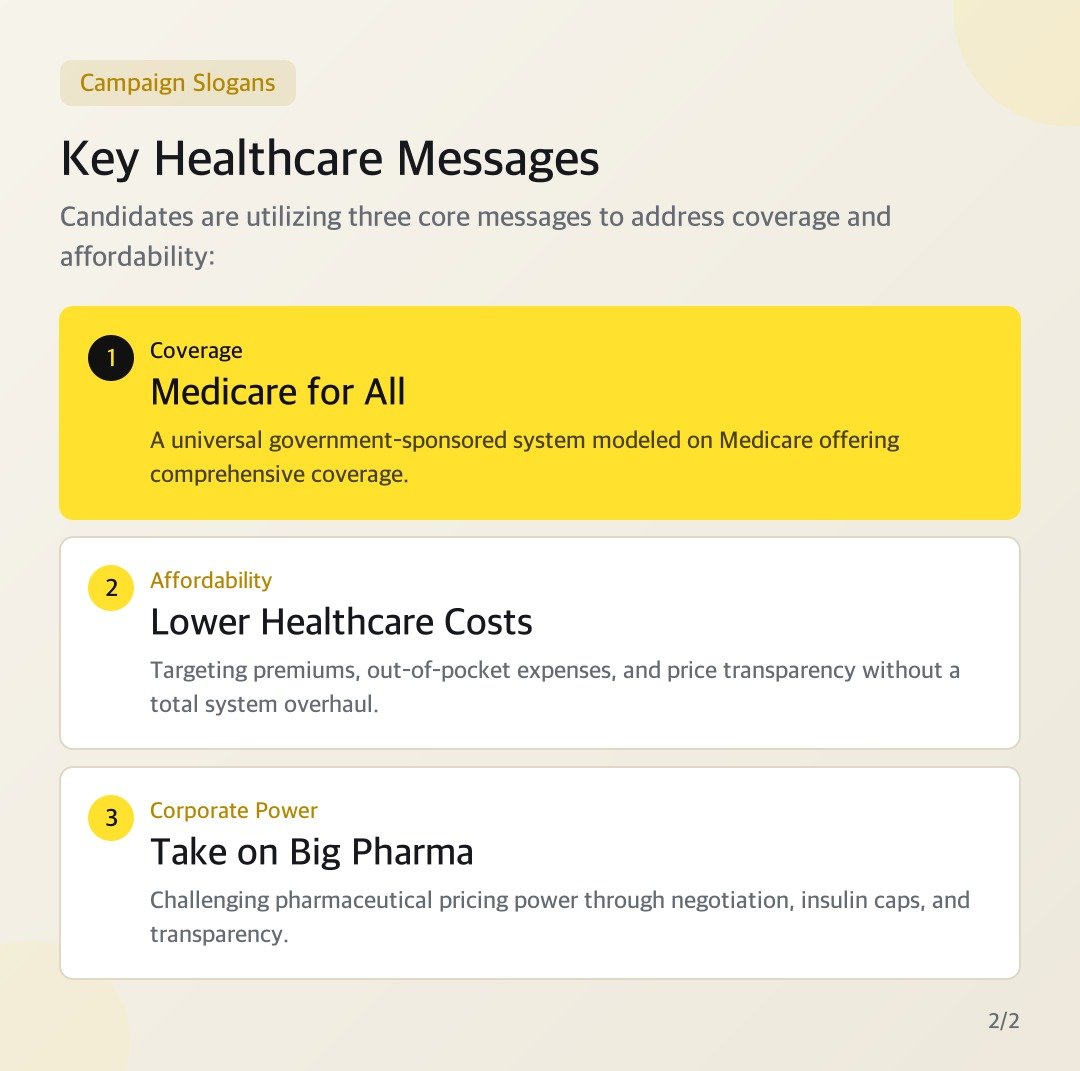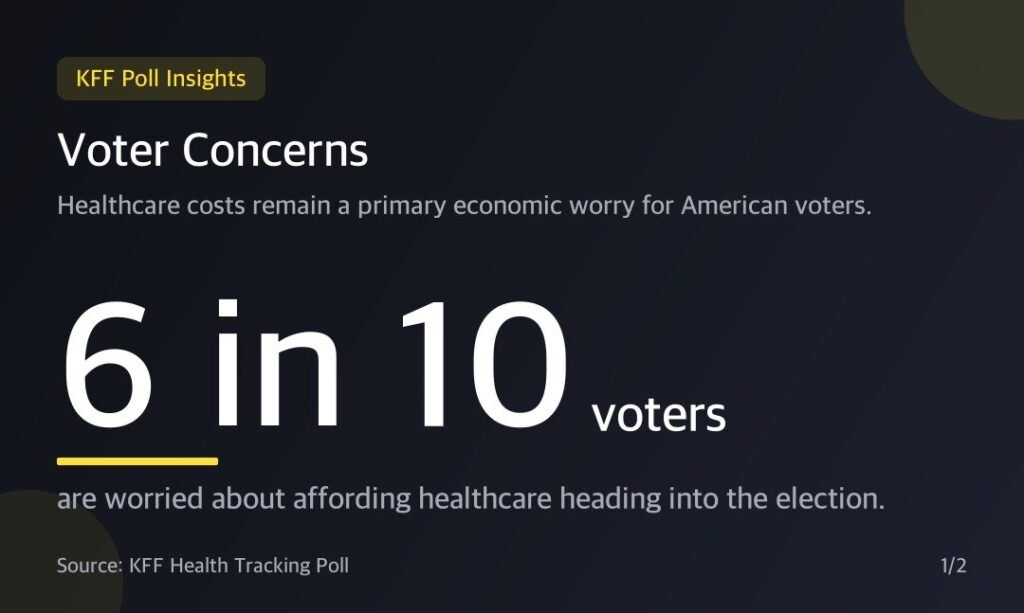

Healthcare costs remain a top economic concern for voters heading into the 2026 elections. According to recent polling data, 6 in 10 voters worry about affording healthcare, while nearly half consider the cost of healthcare extremely important for candidates to address. Candidates across the country are using populist messages to frame these challenges around affordability, coverage, and corporate power.
Understanding Medicare for All Proposals
Medicare for All refers to a single-payer or universal government-sponsored system that provides universal coverage through a public program modeled on Medicare. Traditional Medicare primarily serves older Americans alongside other eligible groups.
- Public Support: Polling indicates that two-thirds (66%) of Americans support Medicare for All, reaching an all-time high since tracking began in 2016.
- Party Breakdown: Support is highest among Democrats at 84%, compared to 72% among independents and 34% among Republicans.
- Typical Vision: Proposals typically feature comprehensive coverage with low or no premiums, deductibles, or copays, while granting the government greater leverage to negotiate prescription drug prices.
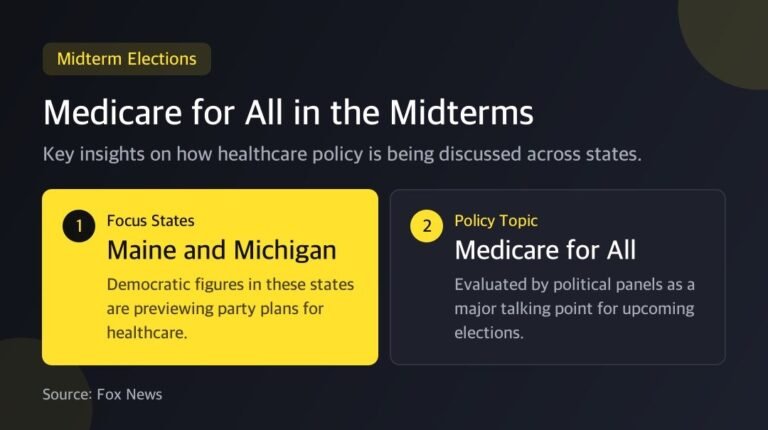
Various candidates have incorporated Medicare for All into their campaigns: * Abdul El-Sayed (Michigan): Proposes expanding Medicare to everyone, including vision, dental, and hearing coverage without premiums, copays, or deductibles. * Carleigh Beriont (New Hampshire): Promotes a single-payer system providing healthcare for life, including vision, dental, and mental health coverage.
- Juliana Stratton (Illinois): Emphasizes that healthcare is a right and points to her work expanding healthcare access and lowering prescription drug costs. * Dan Koh (Massachusetts): Supports a system that automatically enrolls Americans while allowing individuals to keep private insurance if desired.
Lowering Healthcare Costs Without a System Overhaul
The phrase "Lower healthcare costs" serves as a broader slogan enabling candidates to focus on affordability without calling for an entire overhaul of the existing healthcare system.
Proposed measures often include: * Lowering premiums, out-of-pocket costs, and prescription drug prices. * Increasing price transparency.
- Expanding health savings accounts. * Targeting insurers and middlemen.
Notable candidate positions include: * Sen. Amy Klobuchar (Minnesota): Focuses on lowering premiums and prescription drug prices while opposing single-payer legislation.
-
Sen. Mark Kelly (Arizona): Concentrates on prescription drug reform to negotiate lower prices, capping out-of-pocket expenses for seniors, protecting veterans’ benefits, and supporting surprise medical bill bans.
-
Rick Jackson (Georgia): Proposes utilizing technology to modernize healthcare, cut out middlemen, lower prescription costs, and expand rural services.
What Taking on Big Pharma Entails
"Take on Big Pharma" is shorthand for proposals aimed at reducing high prescription drug costs by reining in the pricing power and political influence of large pharmaceutical companies.
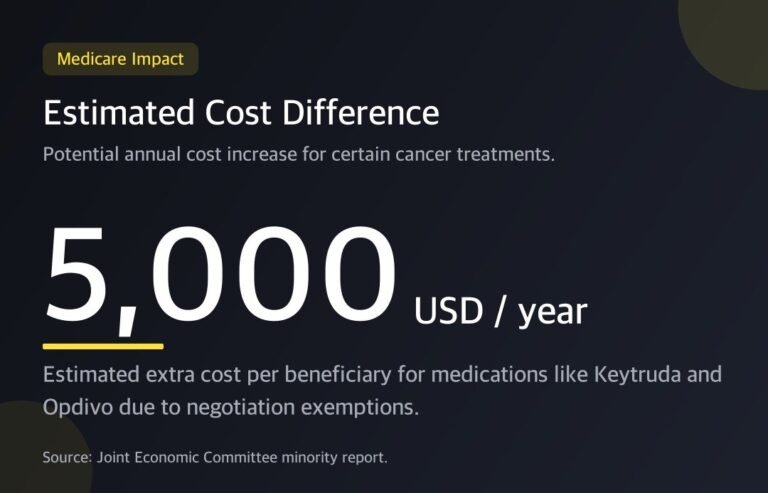
Key legislative and platform points include: * Medicare Price Negotiation & Caps: Recent federal laws enable Medicare to negotiate lower prices, cap the cost of insulin at $35 per month, and set a $2,000 annual out-of-pocket cap for Medicare recipients. * Transparency Bills: Co-sponsored legislation requires the administration to make drug pricing deals more transparent and utilize independent experts to review whether deals actually save money for patients and taxpayers.
- Candidate Platforms: Figures like Ken Paxton (Texas), Chris Pappas (New Hampshire), Sen. Jon Ossoff (Georgia), and Ashley Hinson (Iowa) emphasize holding pharmaceutical and insurance companies accountable to lower drug prices and put consumers ahead of corporate profits.
How to Research Your Ballot
To find out more about candidate positions and what is on your local ballot, you can utilize official resources: * Check your state or local election office. * Visit the U.S.
Election Assistance Commission or Can I Vote directories for official state election resources. * Explore VOTE411 from the League of Women Voters to review candidate stances.