Understanding the Medicare for All Proposal
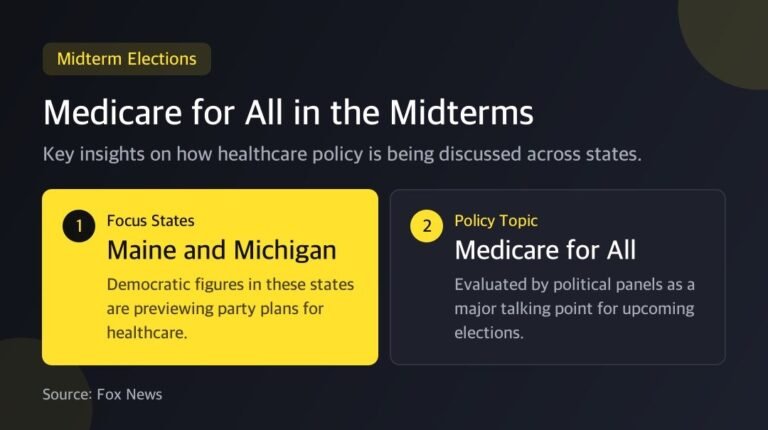
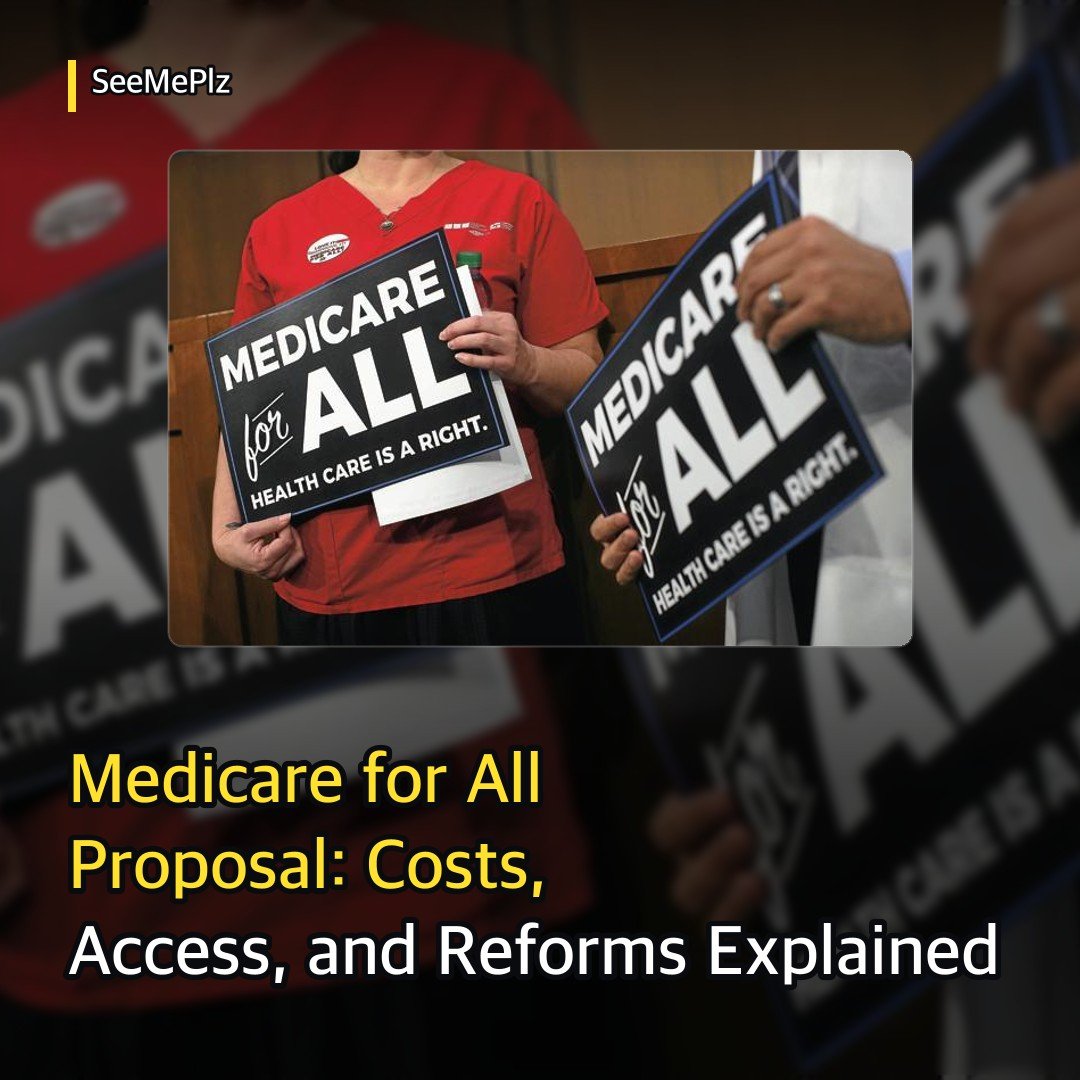
The debate over healthcare reform continues to highlight major policy proposals, including the "Medicare for All" model championed by figures like Democratic Senate candidate Abdul El-Sayed in Michigan. Proponents pitch the plan as a health-insurance option featuring no premiums, copays, or deductibles—providing care whenever patients need it. Nationally, similar legislation has gained dozens of cosponsors in the House, drawing strong interest from progressive campaigners.
However, critics and policy analysts point out that this widespread proposal bears little resemblance to how traditional Medicare actually functions. Moving toward a system with zero out-of-pocket costs while extending coverage to all 343 million Americans would shift trillions of dollars in healthcare spending onto the federal budget.
How Traditional Medicare Works vs. Proposed Expansion
Traditional Medicare currently provides coverage for nearly all Americans aged 65 and older, alongside millions of people with disabilities. Most services are offered without restriction, and over 95% of physicians participate, making the program immensely popular.
Despite this popularity, traditional Medicare is complex and costly:
- Financial Strain: By one estimate, Medicare will comprise more than half of government borrowing in a decade.
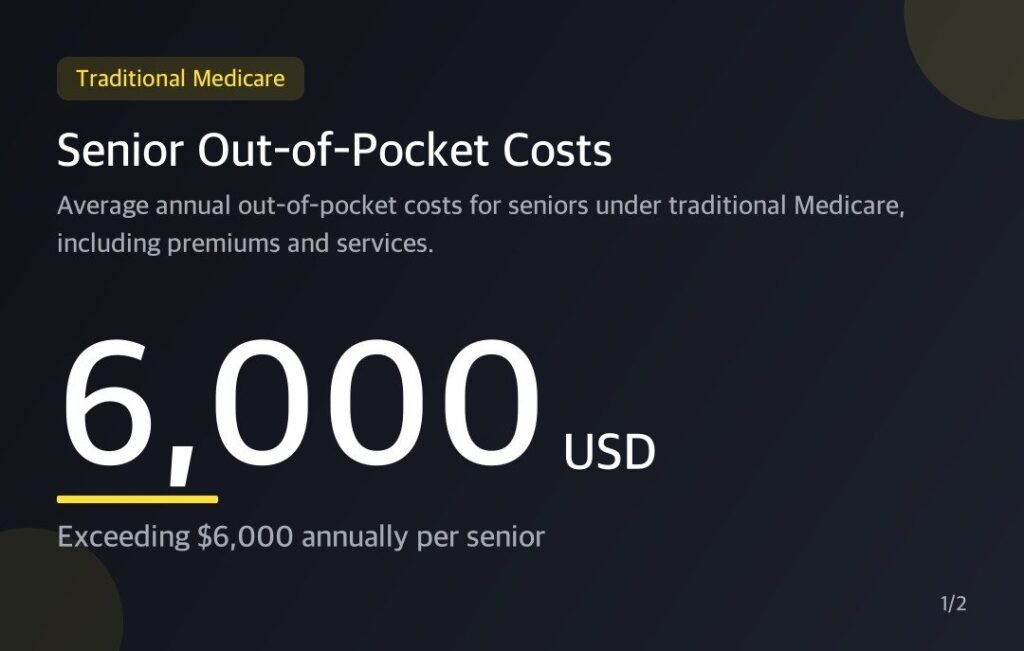
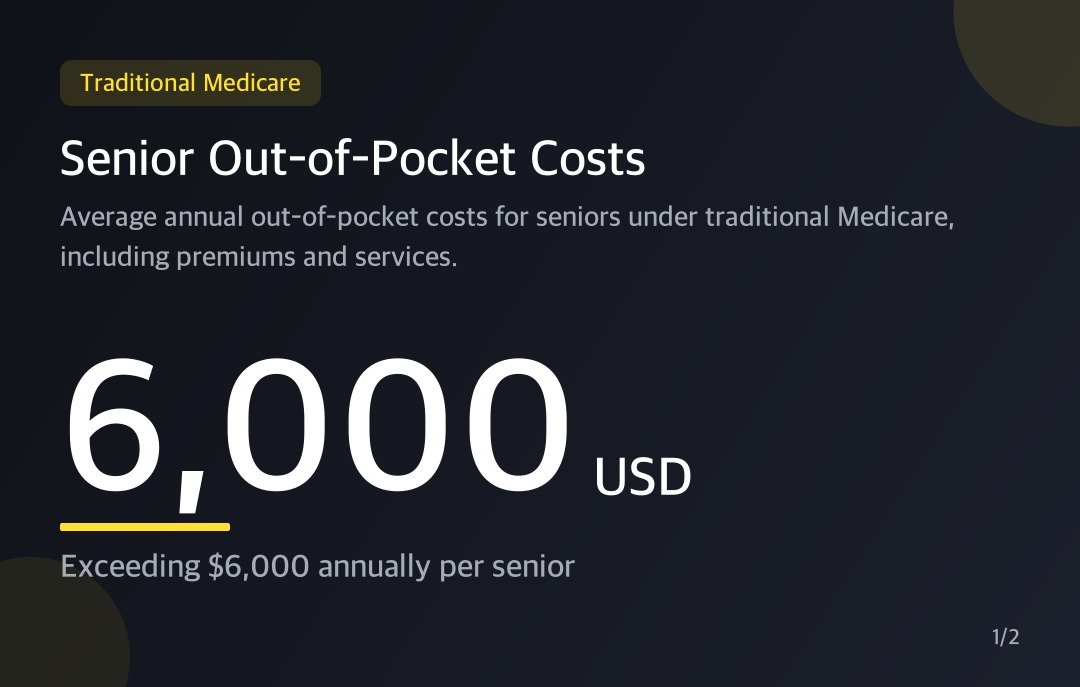
- Out-of-Pocket Costs: Seniors often face hefty bills, with average out-of-pocket costs (including premiums and services) exceeding $6,000 annually.
- Increased Demand: Extending full benefits to the entire U.S. population without premiums, copays, or deductibles implies an unprecedented surge in federal spending.
Furthermore, hospital visits are frequently cross-subsidized by commercial insurance plans. Eliminating commercial payers would require a system to either spend vastly more to maintain current standards or significantly reduce benefits and access.
Potential Drawbacks and Practical Realities
In practice, a universal government-run plan without cost-sharing is more likely to mirror Medicaid. Medicaid, the health program for the low-income population, is known for low reimbursement rates and lower popularity among doctors. Consequently, "healthcare when you need it" under an expanded government model could translate into service rationing and longer wait times.
Additionally, while a single-payer structure might reduce rent-seeking behavior, it could remove financial incentives for crucial healthcare innovations—ranging from advanced cancer treatments to newer weight-loss drugs.
Practical Healthcare Reform Alternatives
Rather than an expansive and costly overhaul like Medicare for All, policy experts suggest focusing on more direct and practical solutions to address financial security and medical costs:
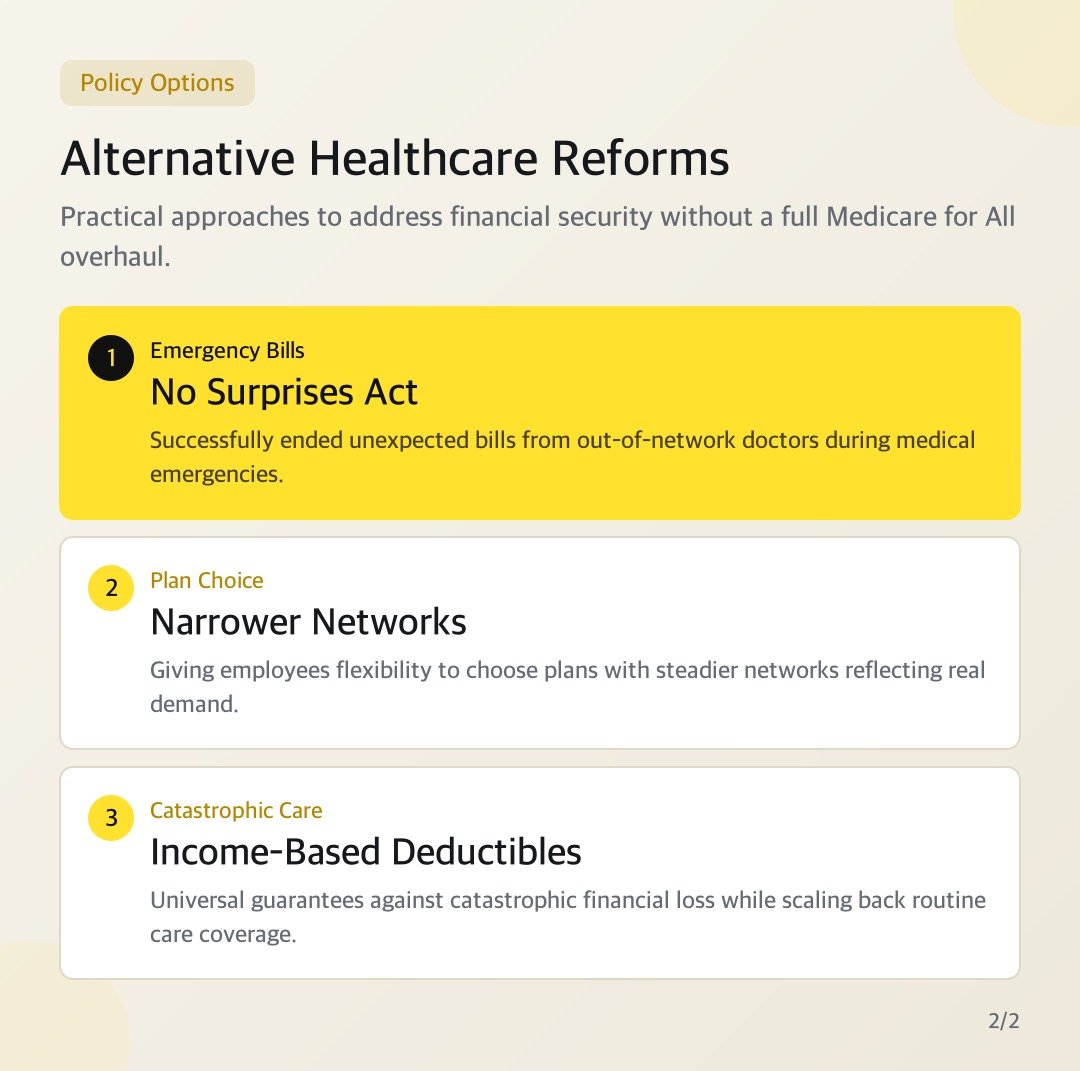
- The No Surprises Act: This legislation has already largely ended unexpected bills from out-of-network doctors during medical emergencies.
- Employee Plan Flexibility: Granting workers more freedom to choose plans with narrower but steadier networks can better reflect patient demand for services.
- Catastrophic Loss Protection: Another approach involves a universal guarantee against catastrophic financial losses after an income-based deductible, scaling back insurance for routine care to foster a genuine market that lowers overall costs. In some versions, preventive care is funded through pre-tax accounts.
Both of these alternative approaches aim to give consumers peace of mind while balancing realistic economic trade-offs, offering a more targeted path forward than traditional Medicare for All expansions.