National Debt and Your Retirement Fixed-Income Budget
Washington’s growing borrowing is increasingly becoming a personal finance issue for American retirees. According to recent estimates from Barron’s columnist Jack Hough on the Streetwise podcast, national debt held by the public could reach about $700,000 per taxpaying household in today’s purchasing power by 2050 (based on CBO projections of debt growing to 150% of GDP). While younger workers carry long-term exposure, retirees face immediate pressures shaped by four critical factors: interest rates, inflation, trust fund funding, and taxes.
2027 Social Security COLA and Older Americans’ Inflation
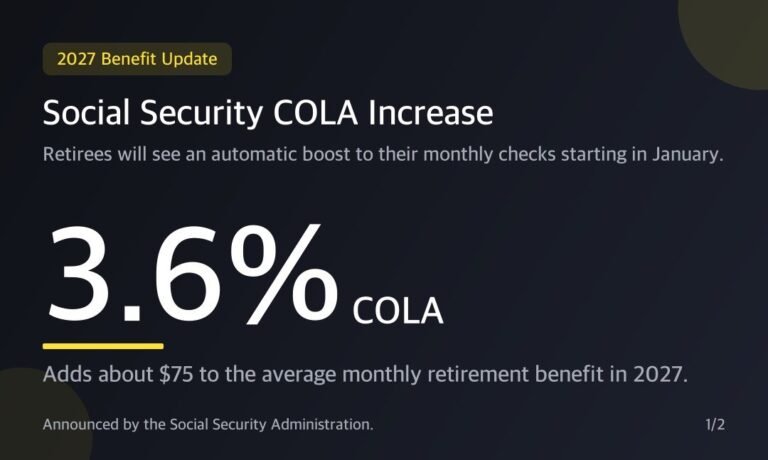
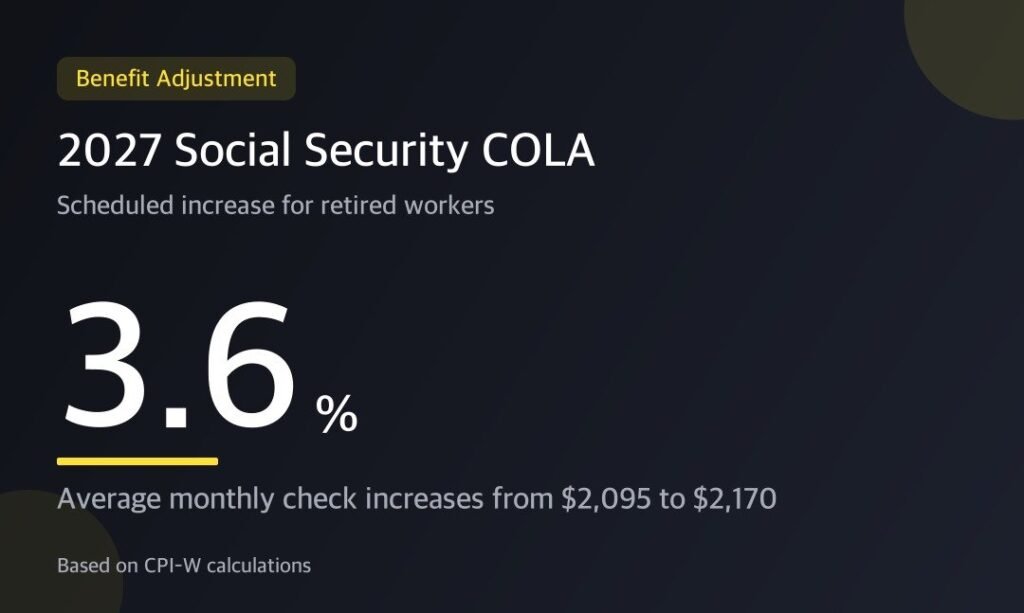
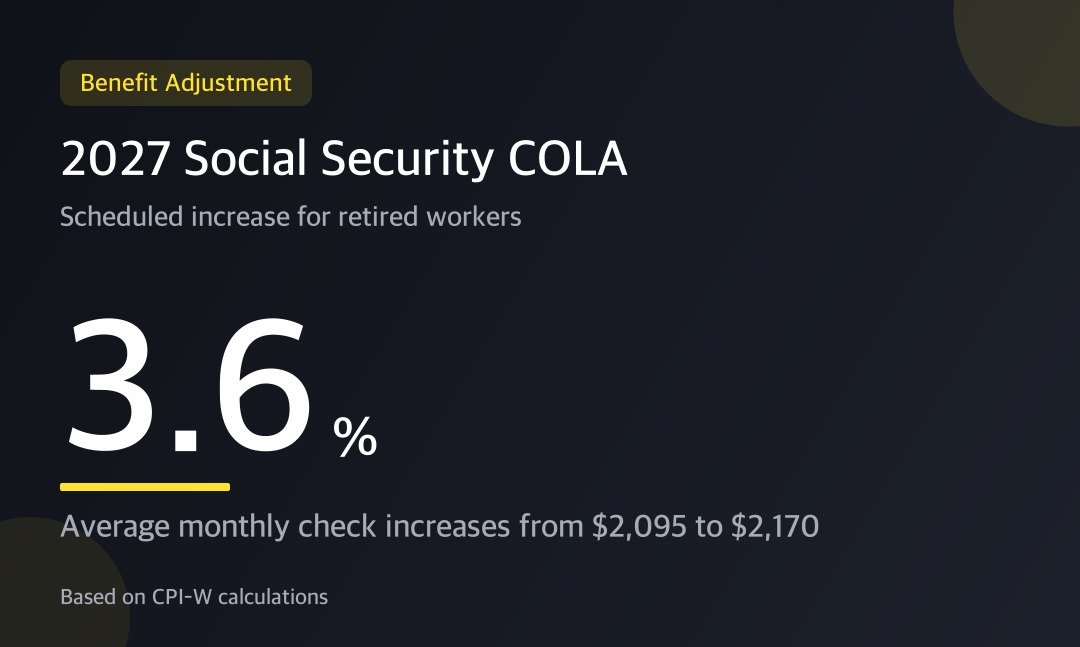
For retirees relying on government benefits, the Social Security Cost-of-Living Adjustment (COLA) will rise by 3.6% in 2027. This adjustment moves the average retired worker’s monthly check from $2,095 to $2,170.
However, this raise is tied to the CPI-W, whereas the Bureau of Labor Statistics also tracks the experimental R-CPI-E index. This research index gives heavier weight to housing and medical care—expenses that consume a larger share of older households’ budgets. In October, R-CPI-E reached 368.804, hitting its highest reading of the past year.
Medicare Part B Premiums and Trust Fund Deadlines
Healthcare costs continue to climb alongside broader inflation. The standard Medicare Part B monthly premium increased to $202.90 in 2026 (up from $185.00 in 2025), while future premium announcements are awaited.
Furthermore, according to the 2026 Social Security and Medicare Trustees Report, reserve depletion dates loom ahead:
- Social Security Retirement Trust Fund (OASI): Projected to run out of reserves in the fourth quarter of 2032, after which incoming revenue would cover 78% of scheduled benefits.
- Combined OASI and Disability Insurance: Projected to last until the third quarter of 2034, covering 83% of scheduled benefits thereafter.
- Medicare Hospital Insurance Fund: Projected to run out in the second quarter of 2033, leaving it able to cover 89% of costs.
Taxes and Payroll Caps
To address structural funding shortfalls, lawmakers have levers including revenue adjustments. The wage cap for Social Security payroll taxes is set to rise to $192,300 in 2027, up from $184,500. Additionally, higher-income retirees already face Medicare income-related monthly adjustment amounts (IRMAA) starting above $109,000 for single filers and $218,000 for joint taxpayers, with top brackets pushing Part B surcharges significantly higher.