
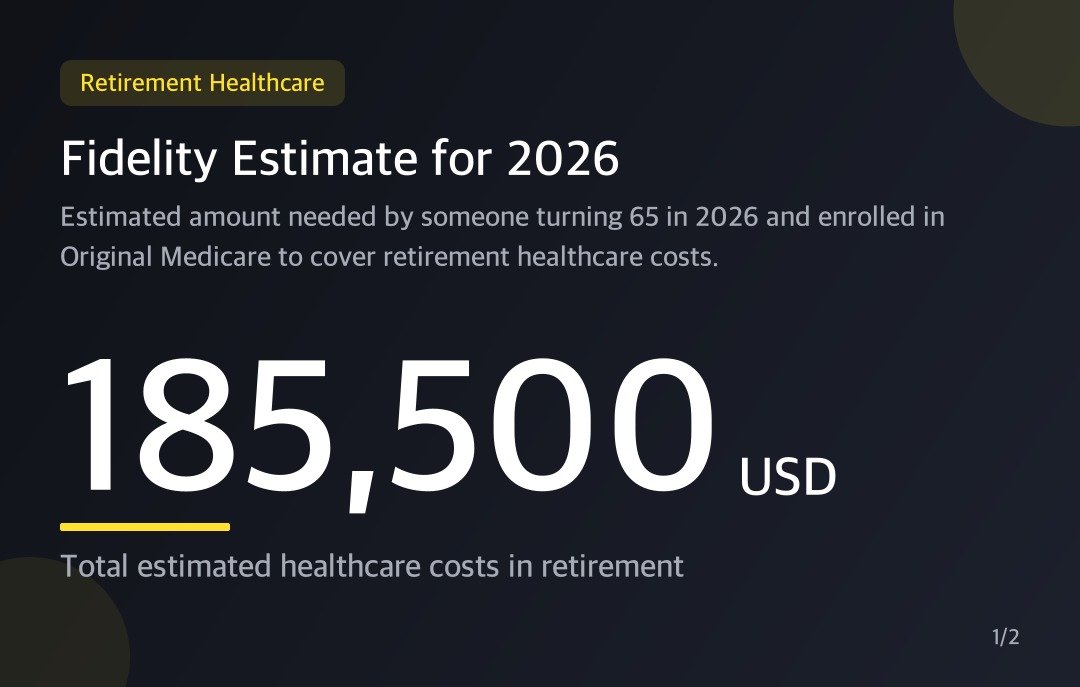
Planning for retirement involves understanding what health insurance covers and what expenses fall out of pocket. According to personal finance expert Suze Orman, someone turning 65 in 2026 and enrolled in Original Medicare will need an estimated $185,500 to cover healthcare costs throughout retirement.
While Original Medicare and Medicare Advantage provide essential coverage for millions of Americans, neither option is completely free. Knowing what expenses are covered and which costs remain the responsibility of beneficiaries can help Americans prepare ahead.
What Original Medicare and Medicare Advantage Cover
Medicare is structured into several parts to help pay for different types of medical services:
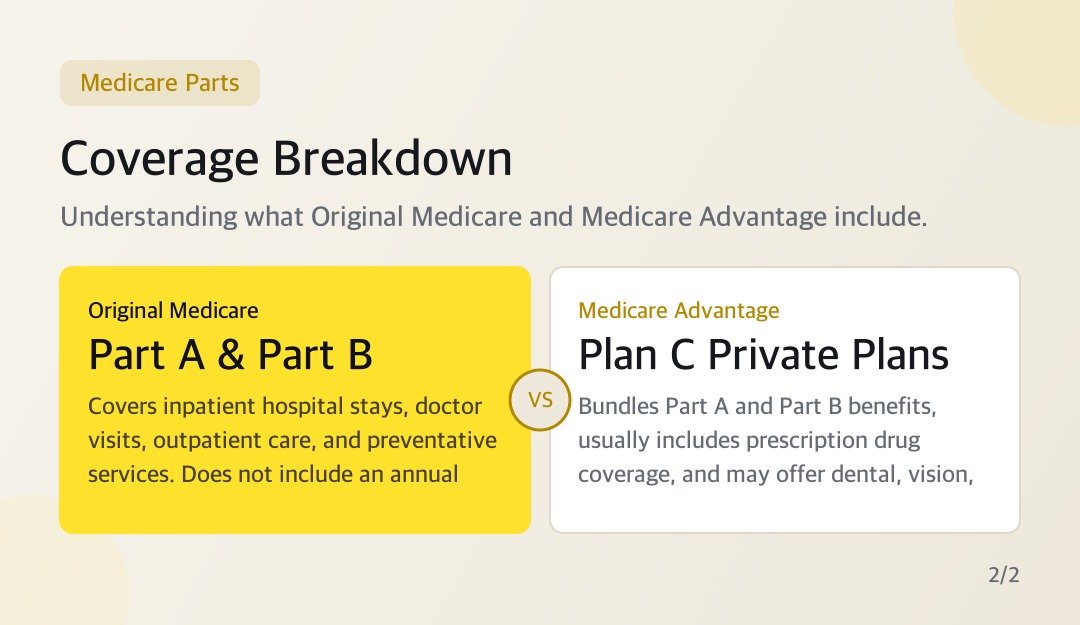
- Part A (Hospital Insurance): Helps cover inpatient hospital stays, skilled nursing facility care, hospice care, and certain home healthcare services.
- Part B (Medical Insurance): Helps cover doctor visits, outpatient care, medical equipment, and preventative services.
- Plan C (Medicare Advantage): Provided through private insurance companies, Medicare Advantage bundles Part A and Part B benefits. Most plans also include prescription drug coverage, alongside optional benefits like dental, vision, and hearing.
- Part D: Separate plans designed specifically to help pay for prescription drugs.
Beneficiaries enrolled in Original Medicare can visit any doctor or hospital that accepts Medicare. In contrast, Medicare Advantage plans often require patients to use medical services within a specific network and obtain prior approval for certain treatments and drugs.
Healthcare Costs Medicare Does Not Cover
Despite comprehensive medical coverage, Medicare does not pay for every healthcare need in retirement. Original Medicare excludes several major out-of-pocket expenses:
- Long-term care: Ongoing assistance with daily living activities, such as bathing, dressing, and eating.
- Dental care: Routine dental exams, cleanings, fillings, extractions, or dentures.
- Vision care: Routine eye exams for prescription glasses.
- Hearing care: Hearing exams and hearing aids.
Even for covered medical services, beneficiaries remain responsible for premiums, deductibles, copayments, and coinsurance. For example, the Medicare Part B premium is $202.90 per month, plus 20% of the cost for each Medicare-covered service or item after meeting the deductible.
Choosing Medicare Advantage instead of Original Medicare does not eliminate these financial responsibilities. While Medicare Advantage plans may offer additional benefits and include annual out-of-pocket limits for Part A and Part B, beneficiaries still encounter deductibles and copayments. Original Medicare does not feature an annual out-of-pocket limit unless the beneficiary has supplemental coverage.
Preparing for Future Healthcare Expenses
Because healthcare costs in retirement can add up significantly, financial experts recommend starting early. Americans in their 30s, 40s, and 50s are encouraged to save as much money as possible to build a financial cushion for medical expenses that Medicare leaves out.