
Understanding the Social Security Trust Fund Crisis
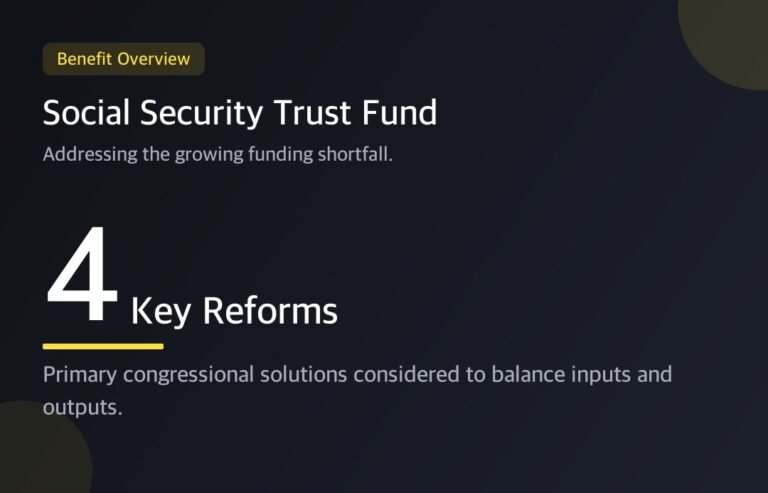
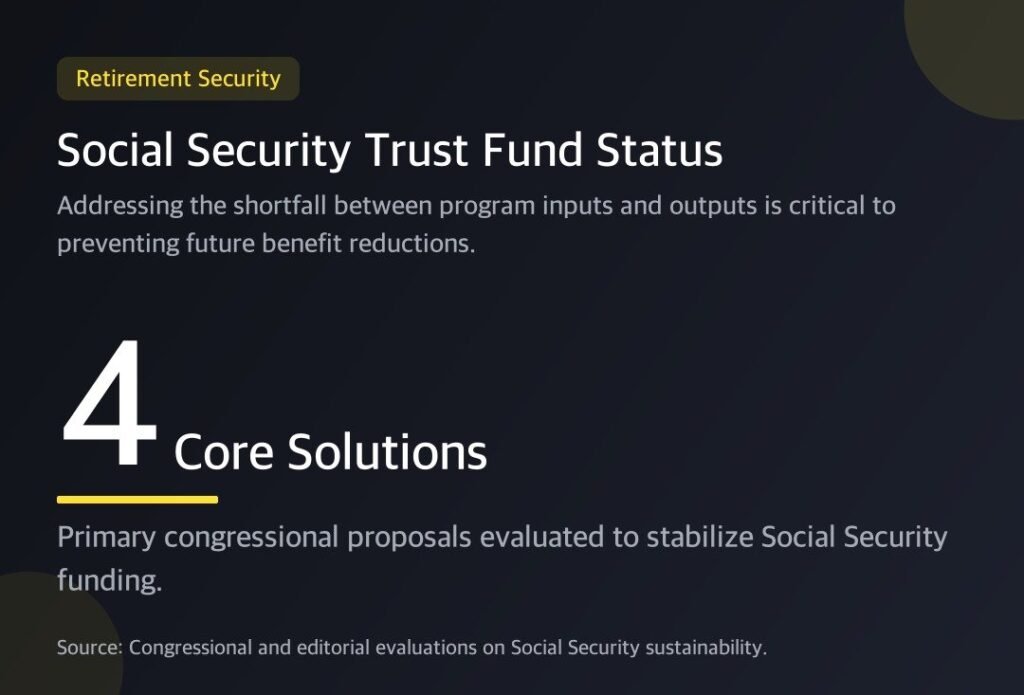
The Social Security program faces a looming financial crisis that threatens future benefit payouts for retirees nationwide. According to recent discussions surrounding the Social Security Trust Fund, the core of the issue stems from a structural shortfall between financial inputs and outputs. With the trust fund holding little to no money due to funds being used for other purposes, the system currently relies primarily on Social Security taxes paid on current earnings to support enrolled retirees.
Demographic shifts and economic factors have compounded this pressure. Slower birthrates, decreased immigration, and longer overall life expectancies mean that fewer workers are contributing into the system while beneficiaries are drawing benefits for longer periods. Without congressional action, recipients face the risk of receiving reduced payments in the future.
Potential Solutions for Social Security Reform
Congress has evaluated several policy solutions for years, though lawmakers have historically avoided implementing them during election cycles. These potential reforms generally aim to decrease program outflows or increase inflows:
- Raise the retirement age: Increasing the retirement age reduces long-term outflows from the program.
- Increase the Social Security tax: Raising tax rates increases incoming revenue.
- Adjust the earnings cap: Raising or entirely eliminating the earnings roof increases financial inflows.
- Implement a means test: Utilizing a means test for benefits ensures that less needy recipients receive less, reducing total outflows.
Exploring Alternative Retirement Options
Another controversial proposal involves offering Americans an option to bypass traditional Social Security through a stock-based, 401(k)-style program. Historical stock market performance—even when accounting for economic recessions—has frequently outperformed comparable returns within Social Security investments, making it a heavily debated long-term alternative.
Because various proposed solutions impact different demographic tiers—ranging from lower and middle-class participants to upper-class earners—policymakers will likely need to adopt a combined approach to secure bipartisan and public acceptance.