
Understanding the Social Security Conundrum
The Social Security system faces an upcoming financial crisis driven by structural shifts in demographics and funding. According to recent discussions, the core of the problem stems from the fact that the Social Security Trust Fund has little to no money because Congress has historically used the funds for other purposes.
Currently, the system operates primarily on current inputs—meaning Social Security taxes paid by workers on current earnings directly fund the benefits for retirees currently enrolled in the program. However, demographic shifts including slowed immigration, declining birthrates, and longer lifespans have created a widening shortfall between financial inputs and outputs.
Proposed Solutions to Fix the Social Security Shortfall
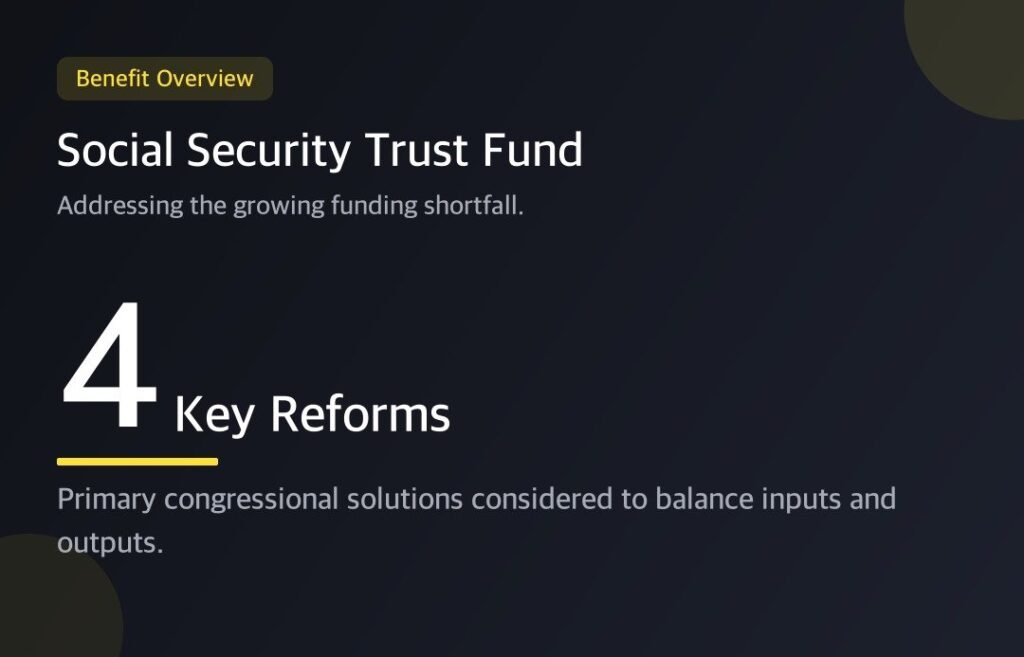
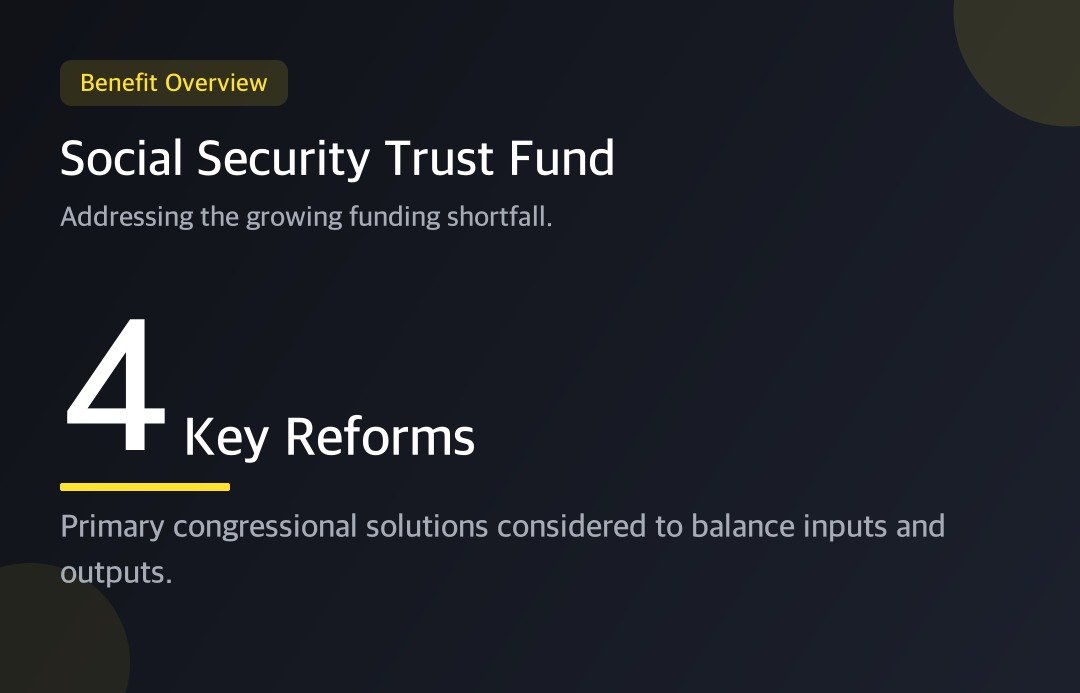
Congress has delayed implementing long-discussed reforms, particularly during election years. Experts and letter writers have outlined several primary pathways to address the imbalance:
- Raise the retirement age: This approach directly reduces benefit outflows over time.
- Increase the Social Security tax: Adjusting the tax rate would boost financial inflows into the system.
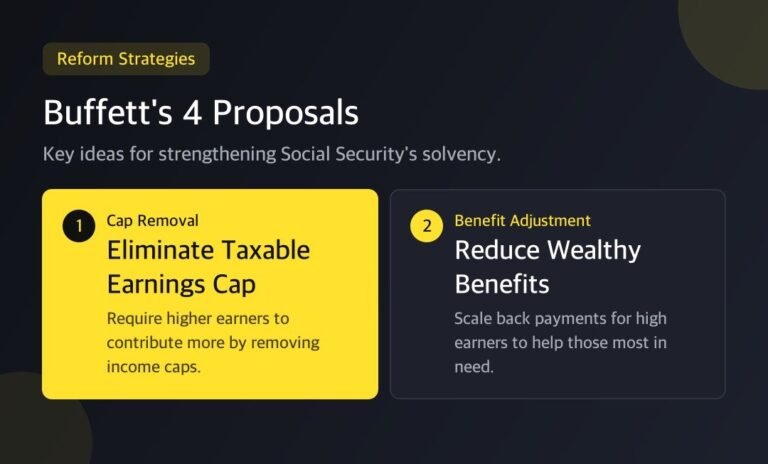
- Raise or eliminate the earnings roof: Removing or increasing the income cap subject to taxation would increase inflows.
- Utilize a means test for benefits: Providing lower payouts to less needy recipients would reduce total outflows.
Exploring Alternative Retirement Options
Another controversial proposal involves offering Americans an option to bypass traditional Social Security through a stock-based program similar to a 401(k). Historical data indicates that the stock market has often outperformed similar investments managed strictly within Social Security, even when accounting for market recessions, making it a potential long-term consideration.
Action Needed from Congress
Lawmakers must take legislative action soon to prevent benefit recipients from receiving reduced payouts in the future. Because different reform options impact different socioeconomic brackets—some affecting lower-to-middle-income earners and others targeting the upper class—any successful legislative package will likely require a balanced combination of solutions.