
Understanding Men’s Social Security Benefits by Age
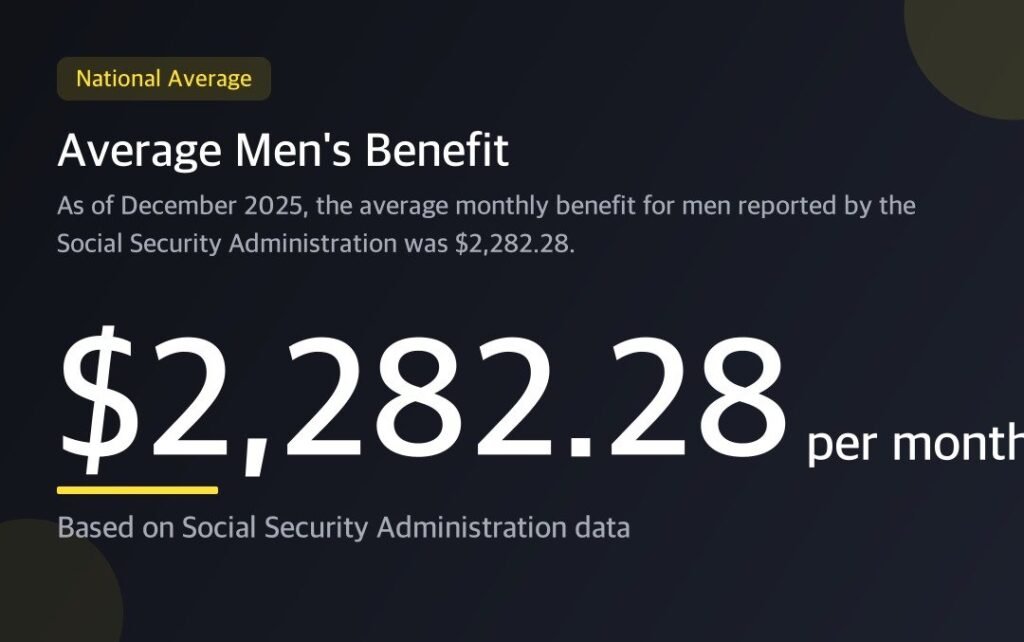
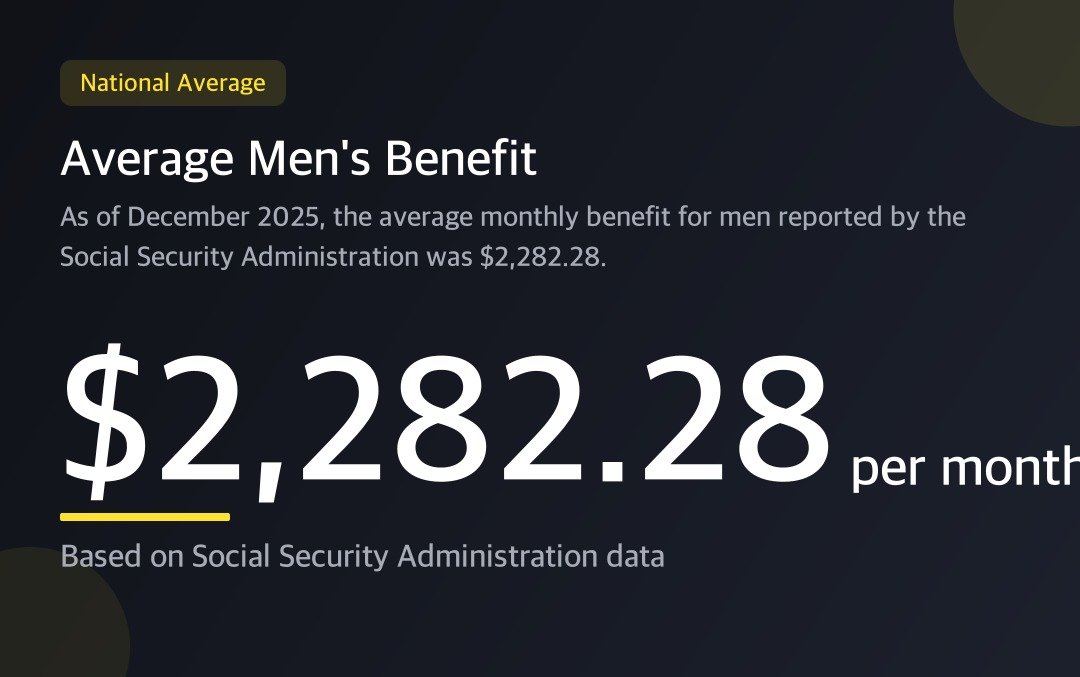
When planning for retirement, understanding how your expected monthly check compares to national averages can help guide your claiming strategy. According to Social Security Administration (SSA) data as of December 2025, the average man’s Social Security benefit was $2,282.28 per month. Across every age bracket, men’s average benefits exceed women’s, reflecting decades of historical differences in lifetime earnings and time spent in the paid workforce.
Average Men’s Social Security Benefits by Age
Your monthly check size typically increases the longer you wait to claim, up until age 70. Here is how average monthly benefits for men break down by age:
- Age 62: $1,572.83
- Age 63: $1,580.81
- Age 64: $1,624.93
- Age 65: $1,772.00
- Age 66: $1,998.75
- Age 67: $2,234.41
- Age 68: $2,272.40
- Age 69: $2,321.96
- Age 70: $2,529.62
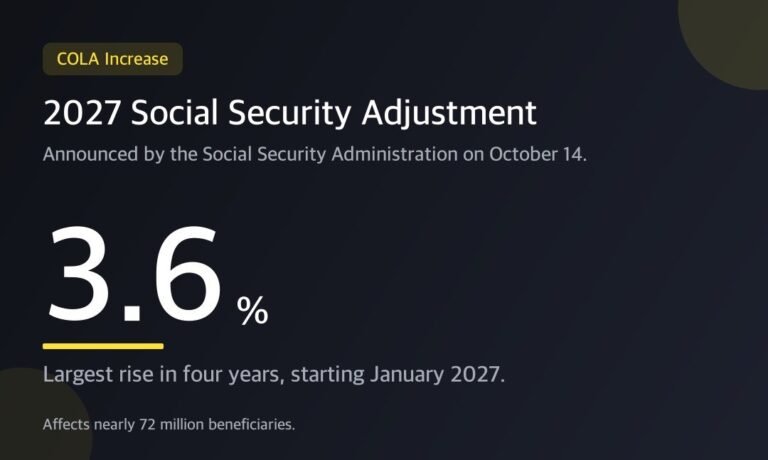
Additionally, a 2.8% cost-of-living adjustment (COLA) took effect in 2026, which adds about $71 a month to the age-70 average mentioned above.
How the Social Security Administration Calculates Your Check
The SSA calculates your monthly retirement benefit based on an average of your wages across your 35 highest-earning years, with earlier wages adjusted for inflation.
Full retirement age (FRA) ranges from 66 to 67 depending on your birth year, and is set at 67 for anyone born in 1960 or later. For a worker whose full retirement age is 67, waiting until age 70 results in a 24% increase in the monthly check through delayed retirement credits.
Key Factors to Consider Before Claiming
Before deciding when to file for Social Security, you should weigh several critical personal factors:
- Life Expectancy and Health: On average, a man turning 65 is expected to live about 18 more years, compared to about 21 years for a woman. If you have a shorter life expectancy or immediate financial needs, claiming earlier may make sense.
- Spousal and Survivor Protections: Because surviving spouses can claim the larger of their own retirement benefit or their partner’s survivor benefit, a higher-earning worker’s record determines what a spouse receives after their death. Delaying benefits increases this future survivor benefit, though a spouse cannot claim a spousal benefit on your record until you are actively receiving your own retirement check.
- Retirement Income Sources: Social Security was originally designed to replace about 40% of pre-retirement income—often falling short of total living expenses. Most retirees must supplement these checks with personal savings or alternative income sources.
To view precise personal projections tailored to your work history, create a free my Social Security account on the official SSA website.