Understanding Social Security’s Core Challenges
Social Security serves as America’s critical financial safety net for retirees, but the program faces mounting challenges as millions rely on it to live. Ensuring the long-term solvency of the system is essential for protecting future generations of Americans.
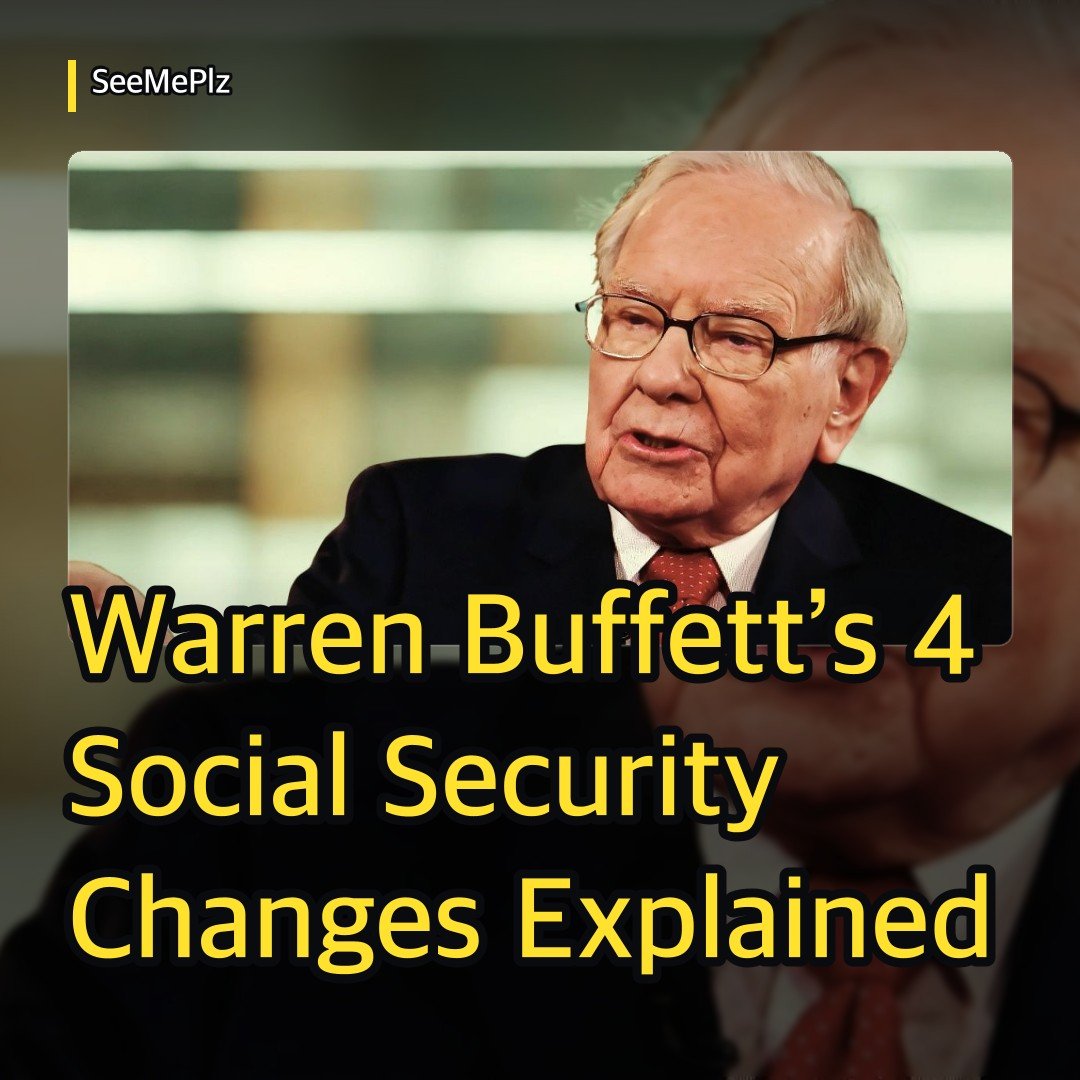
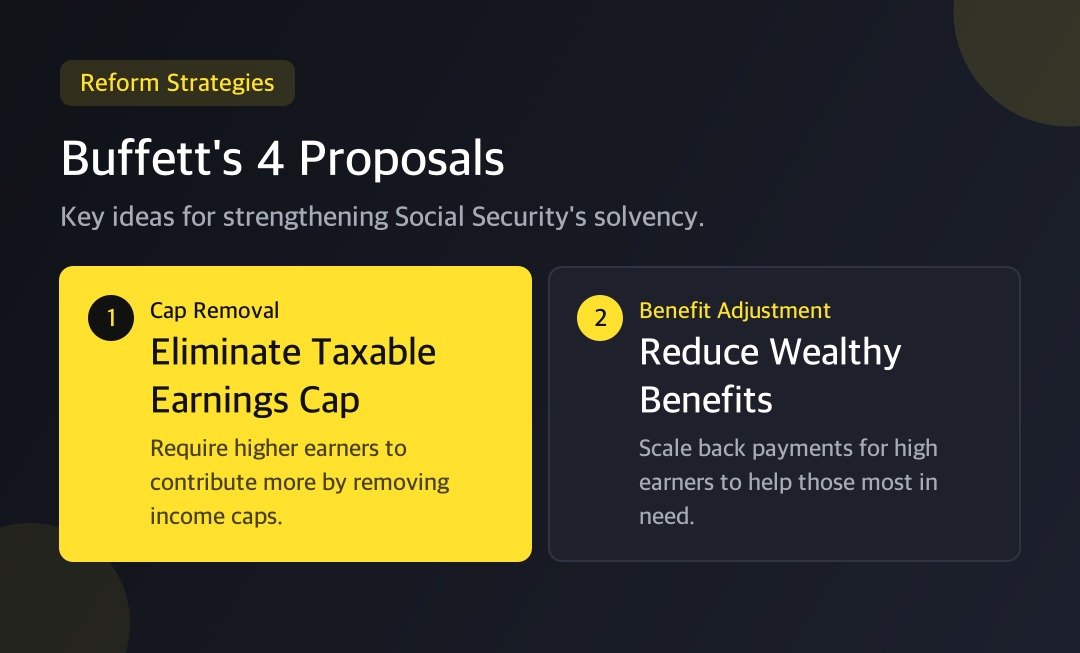
Legendary investor Warren Buffett has outlined four distinct strategies aimed at strengthening the program while carefully balancing fairness and financial stability.
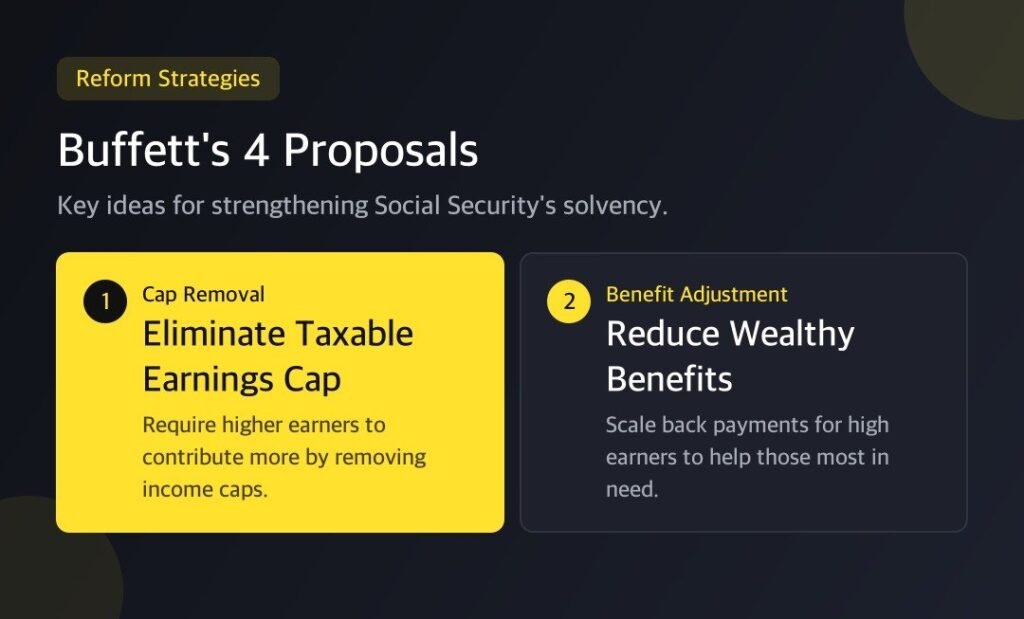
1. Remove the Cap on Taxable Earnings
Currently, Social Security taxes only apply to incomes up to $184,500 in 2026 and $192,300 in 2027. Buffett advocates for eliminating this cap entirely, which would require higher earners to contribute more to the fund.
- Increased Revenue: This approach significantly boosts funding for the program.
- Minimal Impact: Wealthier individuals rely less on Social Security during retirement, meaning their overall financial stability remains unaffected by the increased contribution.
2. Reduce Benefits for Wealthy Retirees
Buffett suggests scaling back benefit payments specifically for the wealthiest retirees. Because the primary purpose of Social Security is to aid those most in need, adjusting payments for high earners allows funds to be allocated more effectively.
By refocusing resources, the system can direct more support toward retirees who depend on those benefits the most for daily survival.
3. Raise the Full Retirement Age
As American life expectancy increases, retirement periods grow longer, which stretches Social Security resources thin. To counter this trend, Buffett supports gradually raising the full retirement age beyond 67.
- Extended Collection: Granting the system more time to collect contributions.
- Reduced Payout Duration: Shortening the window during which benefits are paid out helps stabilize program finances.
4. Change Payroll Tax Rates and Address Tax Equity
Warren Buffett has long criticized aspects of the broader U.S. tax system, noting the stark differences between what ordinary workers and wealthy Americans pay. In a 2012 CNBC interview, he discussed how Social Security payroll taxes affect workers and highlighted that the tax burden is distributed differently across various income levels.
Bottom Line
Warren Buffett’s suggestions for improving Social Security focus heavily on making the program more equitable and financially sound. His ideas aim to reduce financial stress and preserve the essential safety net that millions of Americans rely upon during retirement.