
Understanding the Social Security Shortfall
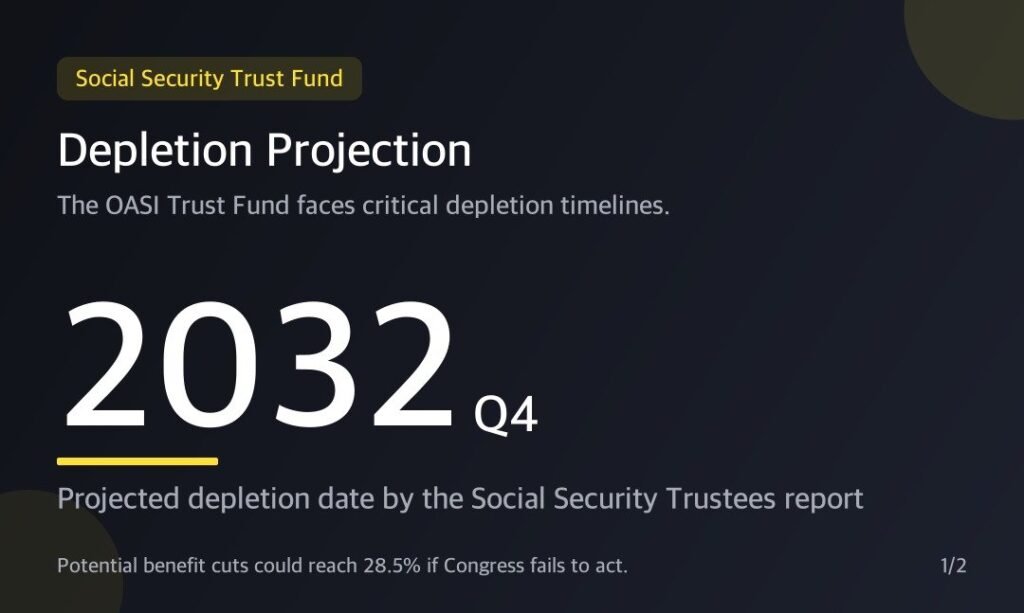
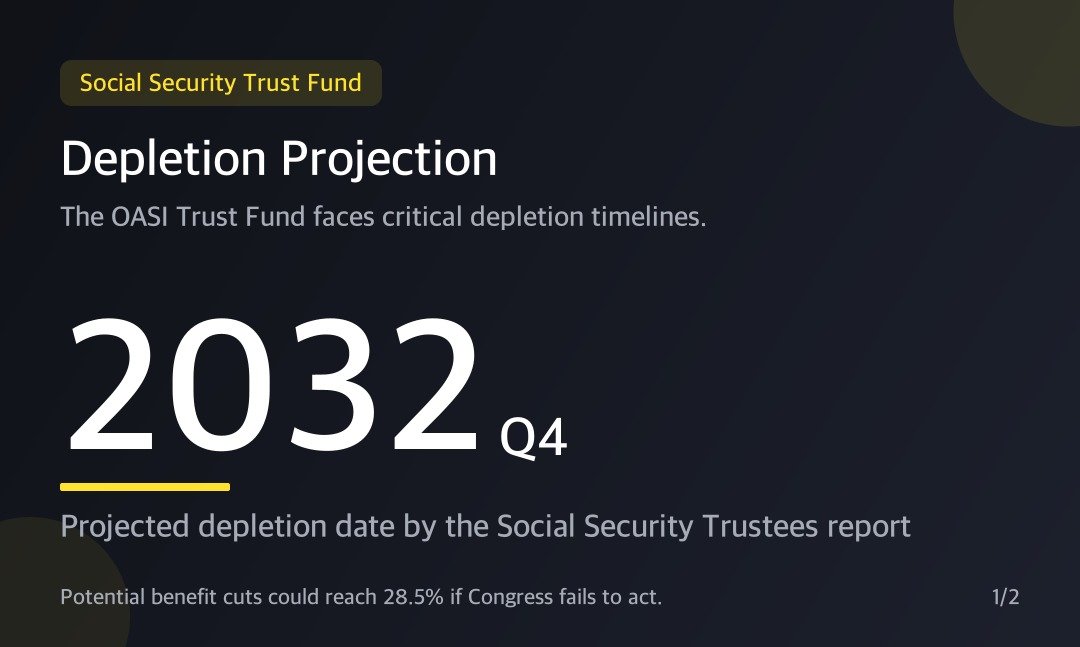
The Social Security program faces an impending trust fund shortfall that threatens the financial stability of millions of American seniors. According to the 2026 Social Security Trustees report, the Old-Age and Survivors Insurance (OASI) Trust Fund is projected to become depleted by the fourth quarter of 2032—one quarter earlier than previous projections.
- Impending Cuts: If the trust fund is depleted, program income may only cover 78% of scheduled benefits, resulting in an automatic reduction.
- Poverty Risks: Senator Bill Cassidy warned that an across-the-board benefit cut of 28.5% could double the rate of poverty among the elderly.
- National Debt Impact: Unfunded liabilities currently account for about 20% of the total U.S. debt and could rise to 24%.
Senator Bill Cassidy’s $1.5 Trillion Proposal
To address this funding crisis, Republican Senator Bill Cassidy of Louisiana has proposed a separate pension investment fund designed to shore up the program without cutting immediate benefits.
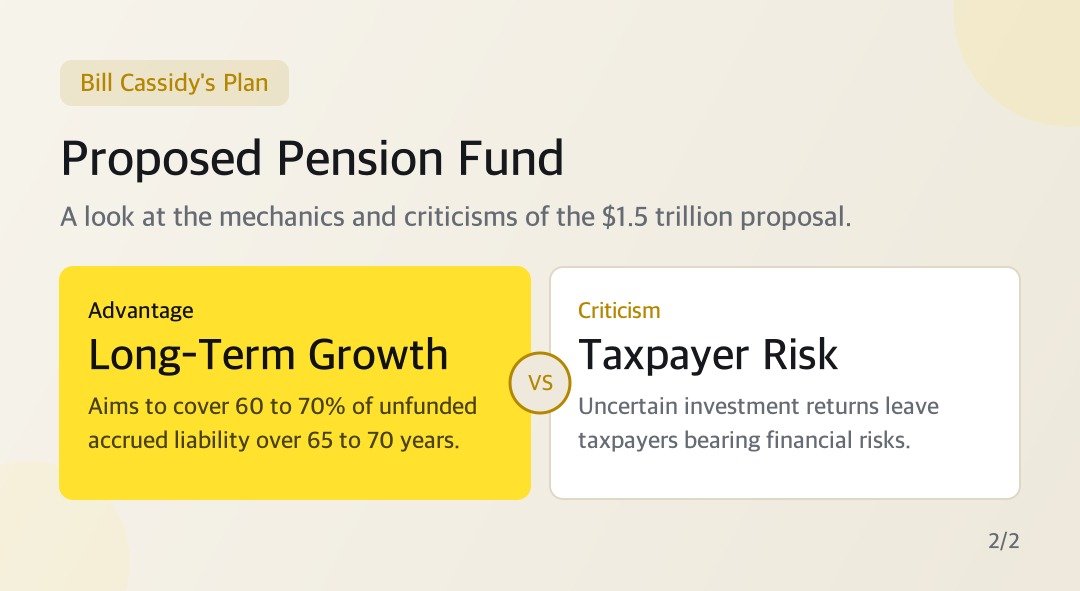
- The Investment Strategy: The plan involves the U.S. borrowing $1.5 trillion over five years, investing those funds in equities and other assets, and allowing them to grow untouched.
- Repayment: Once the investment period matures, the Treasury would be repaid for the principal and interest on the borrowed money.
- Long-Term Relief: According to Cassidy, investing in the economy over 65 to 70 years could help address 60% to 70% of the unfunded accrued liability.
Advantages and Criticisms of the Plan
While proponents highlight the potential long-term benefits, financial experts and lawmakers have raised important questions regarding the feasibility and risks of the proposal.
- Pros: Cassidy argues that because the $1.5 trillion would be held in escrow and liquidated after five years to pay off the borrowed debt, the maneuver would be considered a financial wash and would not permanently increase the national debt.
- Cons: Critics like Alicia H. Munnell from the Center for Retirement Research at Boston College point out that taxpayers bear the financial risk. Because investment returns are not guaranteed, the strategy is a risky maneuver with uncertain payoffs that could distract from balancing core revenues and benefits.
Additional Congressional Proposals and Next Steps
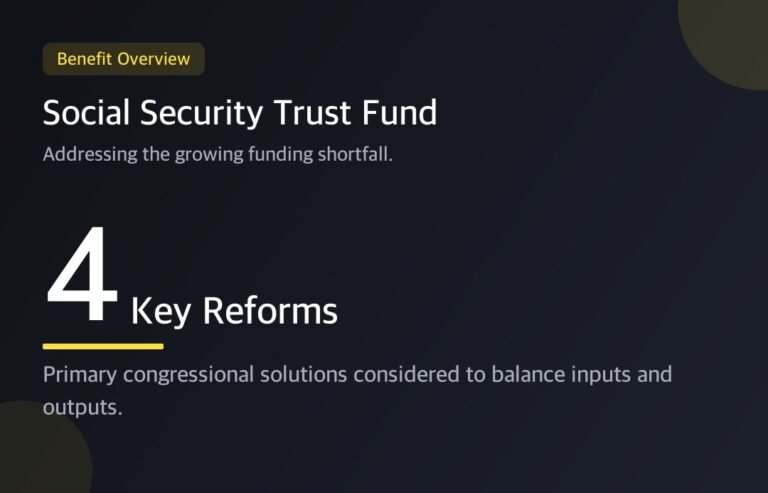
Congress is reviewing several alternative solutions alongside Cassidy’s plan to secure long-term solvency.
- Bipartisan Social Security Commission Act of 2026: Led by Representatives Tom Cole and Tom Suozzi, this bill would establish a 13-member bipartisan commission tasked with developing legislation to keep Social Security solvent for at least 75 years within one year.
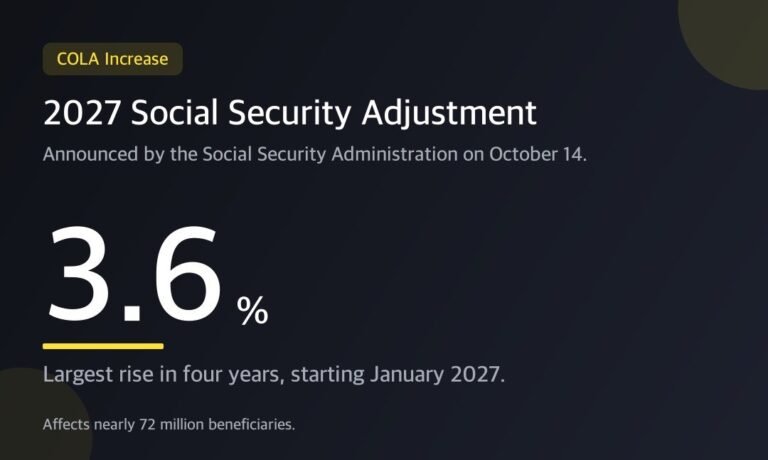
- Upcoming Milestones: While legislative solutions take time to navigate Congress, the 2027 cost-of-living adjustment (COLA) announcement serves as an immediate milestone for retirees looking for benefits updates.