
What to Expect From the 2027 Social Security COLA and Policy Changes
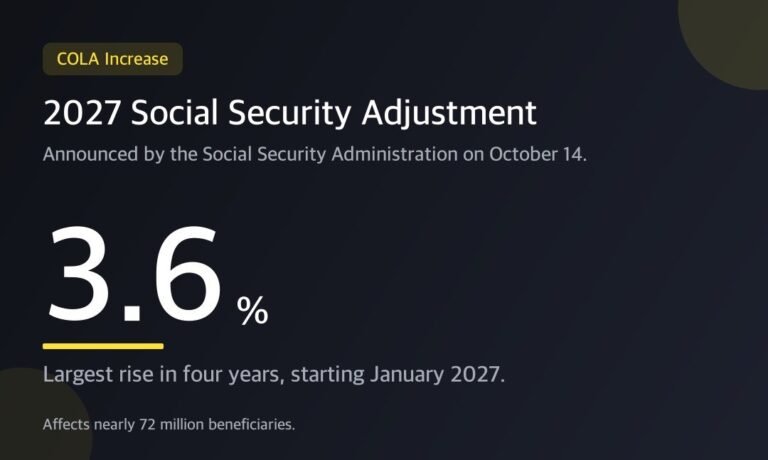
For millions of American retirees and beneficiaries, October brings high anticipation. The Social Security Administration prepares to announce the official cost-of-living adjustment (COLA) for the upcoming year. Current estimates suggest that the 2027 COLA could mark one of the largest benefit raises seen in recent years.
However, the upcoming announcement involves more than just the annual COLA. Several vital program updates and thresholds will also be revealed, impacting working beneficiaries and high earners alike.
Changes to the Social Security Earnings Test Limits
If you continue to work a job while receiving Social Security benefits before reaching your full retirement age, you are likely subject to the Social Security earnings test. This rule limits how much money you can earn from employment before the administration withholds a portion of your benefits.
- Under Full Retirement Age: For individuals who will not reach full retirement age by the end of the year, this year’s earnings limit is set at $24,480. Exceeding this limit results in $1 of benefits withheld for every $2 earned.
- Reaching Full Retirement Age This Year: For those who will attain full retirement age within the year, the limit is significantly higher at $65,160, with $1 withheld for every $3 earned above that threshold.
While official limits for 2027 are yet to be finalized, experts expect these thresholds to rise. A higher earnings test limit allows working beneficiaries to earn more income in the new year without risking a reduction in their current Social Security checks.
It is important to remember that benefits withheld under the earnings test are not permanently lost. Once you reach your full retirement age, the withheld amounts return to you in the form of larger monthly checks.
Updates to Maximum Monthly Benefits
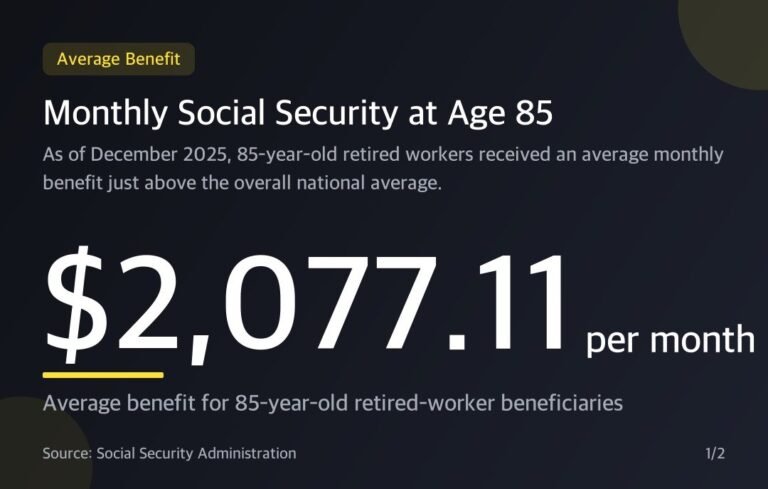
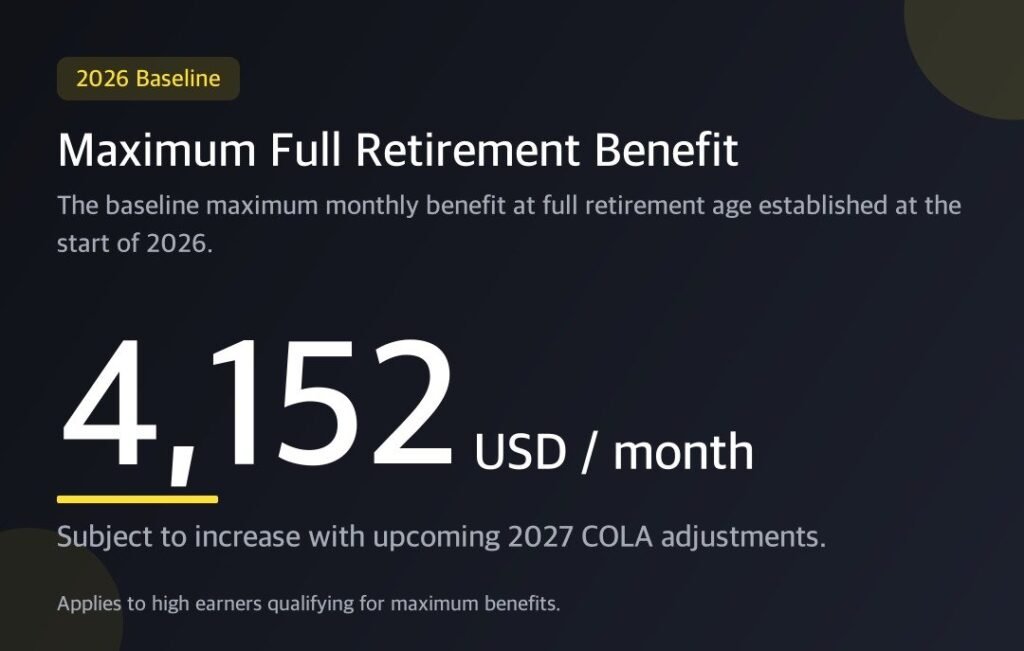
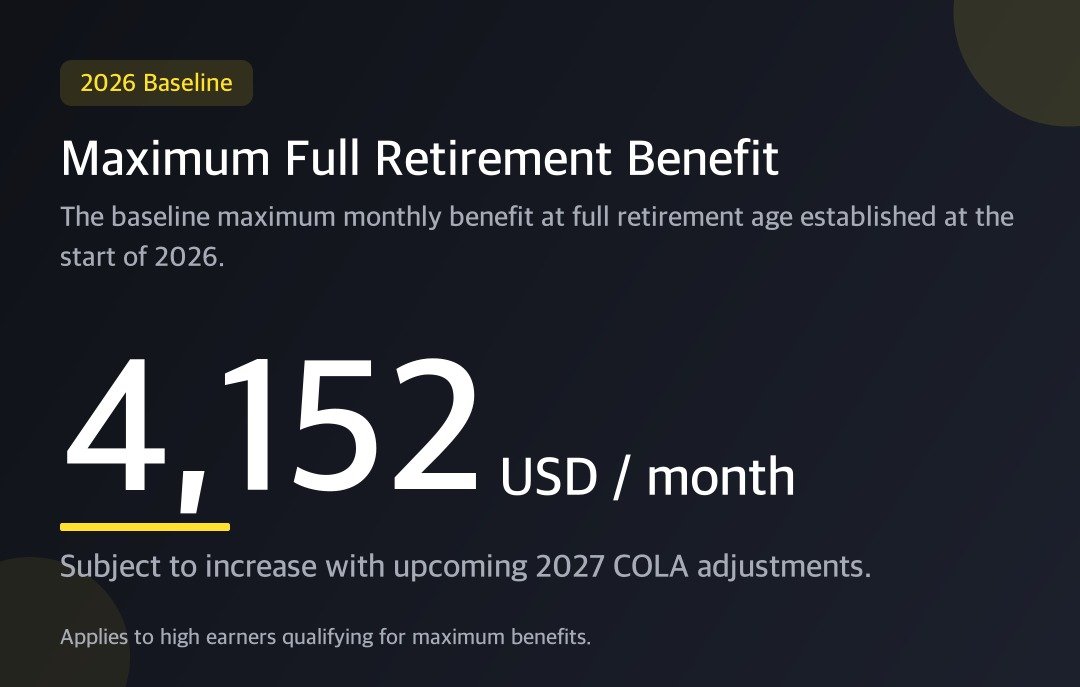
At the start of 2026, the maximum Social Security monthly benefit at full retirement age was $4,152. Because benefit programs factor in the annual COLA adjustments, the maximum monthly payout is expected to increase for 2027.
Qualifying for the maximum benefit requires specific criteria, typically demanding a high earnings history throughout the majority of your career. Furthermore, reaching full retirement age is not the absolute ceiling for your monthly payments. Beneficiaries who choose to delay claiming their benefits beyond full retirement age—up until age 70—can secure an 8% boost to their monthly checks for each year they wait.