Understanding Social Security Benefits at Age 65
Turning 65 is a major milestone for Americans approaching retirement, often marking the shift from regular paychecks to relying on Social Security, retirement accounts, and personal savings. However, the amount available each month can be lower than expected, particularly for individuals who claim benefits before reaching their full retirement age.
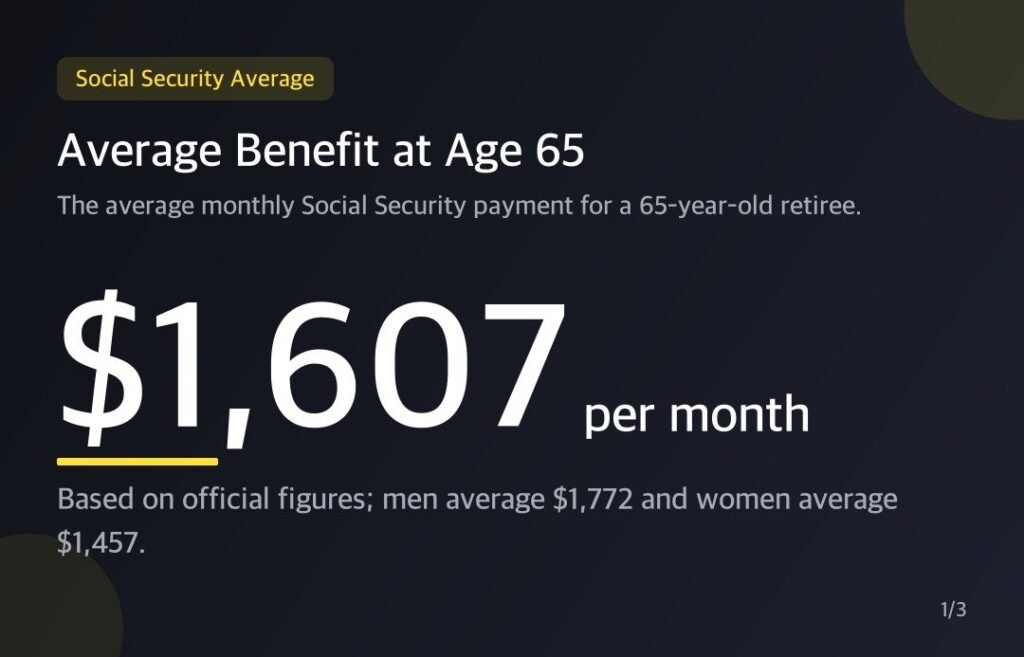
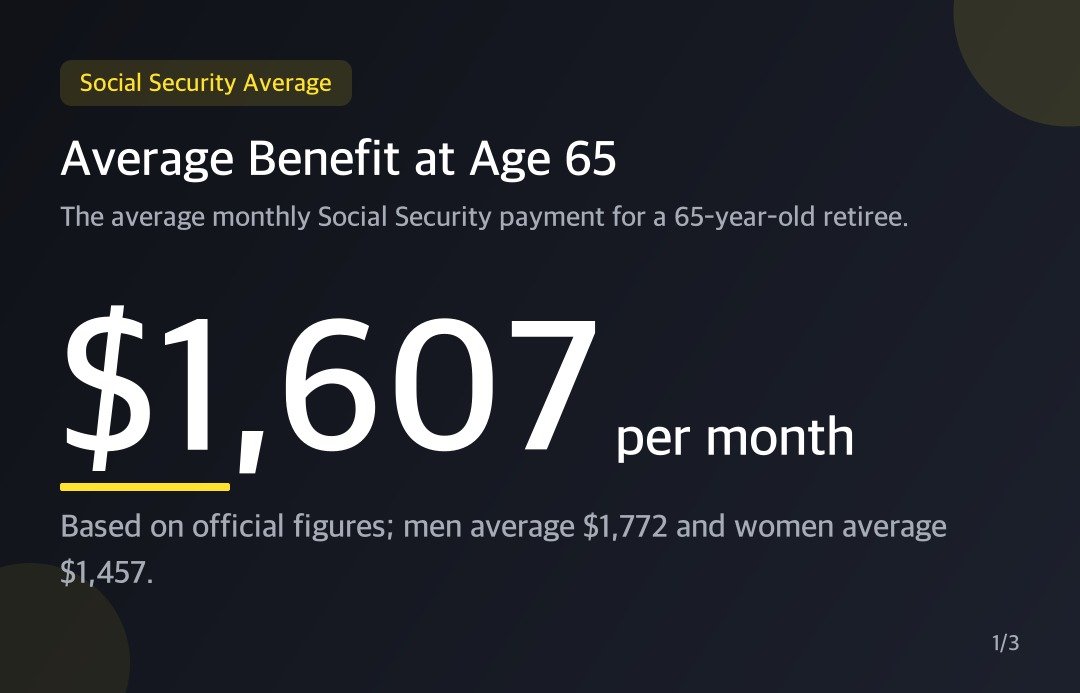
According to official figures, the average Social Security benefit for a 65-year-old is approximately $1,607 per month. When combined with average retirement savings, retirees may see a total monthly income of around $2,400 to $2,450 before taxes and adjustments. Whether this amount is sufficient depends heavily on housing costs, healthcare expenses, debt, household size, and location.
Social Security Claiming Age and Monthly Payments
While age 65 is commonly associated with retirement, it is not the full retirement age for everyone:
- Full Retirement Age: For people born in 1960 or later, the full retirement age is 67.
- Early Claiming: Individuals can start claiming retirement benefits as early as age 62, but claiming before full retirement age results in a permanent reduction in monthly payments.
- Gender Averages at 65: Men receive about $1,772 per month on average, while women receive approximately $1,457.
- Full Retirement Age Comparison: The average monthly benefit at age 65 is around $1,607, compared with approximately $2,016 at full retirement age (67).
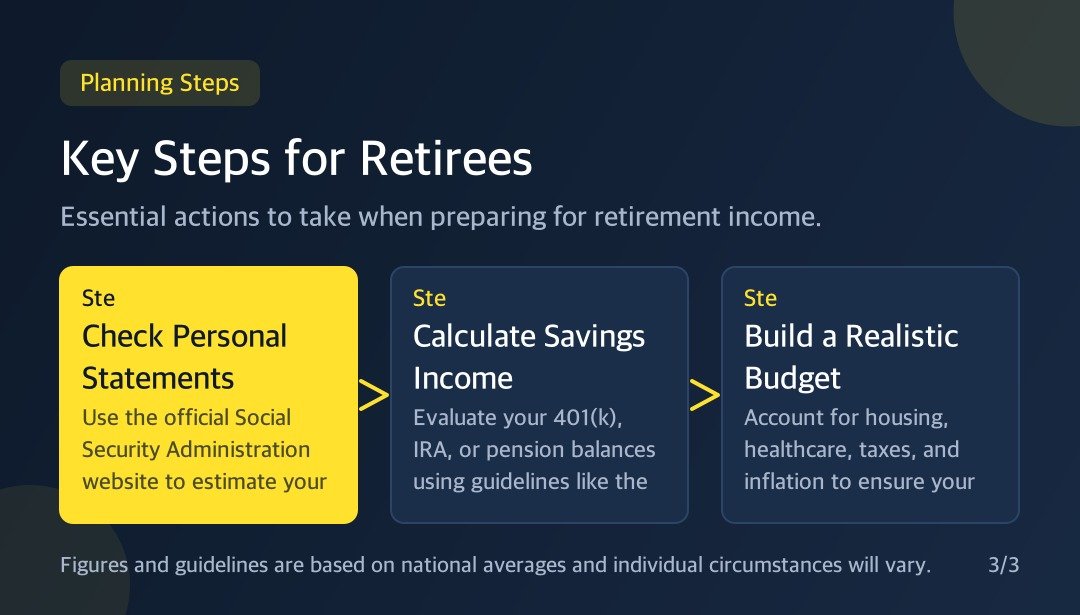
An individual’s actual benefit depends on lifetime earnings, the number of years worked, and the age at which they begin collecting benefits. Retirees can check their personal estimates using the official Social Security Administration website.
Supplementing Income with Retirement Savings
Because Social Security is designed to replace only a portion of pre-retirement earnings, many retirees rely on workplace retirement plans, individual retirement accounts (IRAs), or pensions.
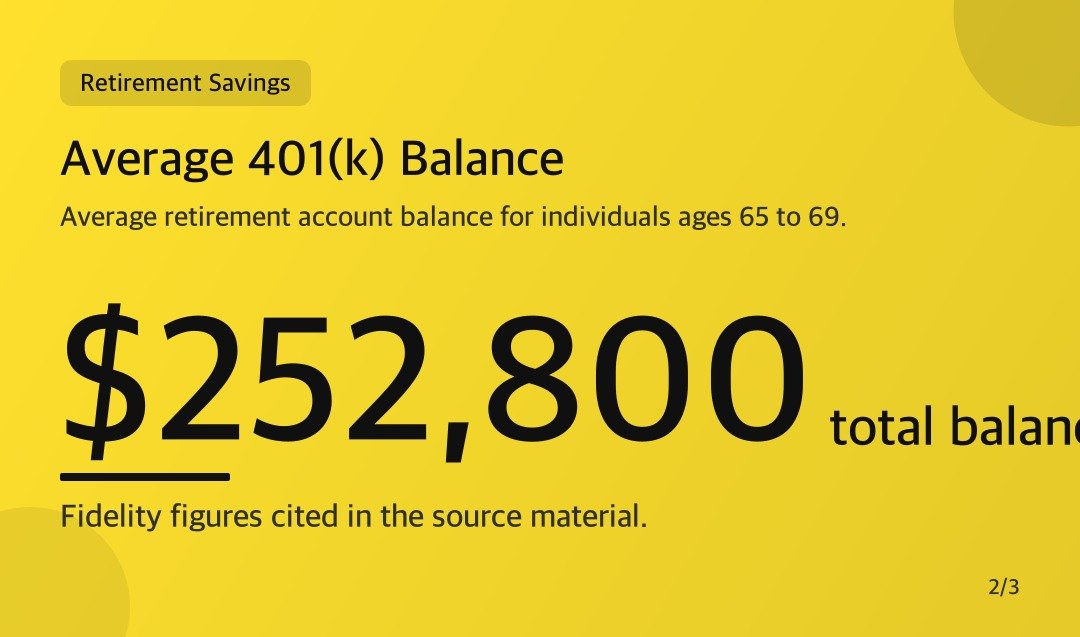
- 401(k) Balances: According to Fidelity figures, the average 401(k) balance for people ages 65 to 69 is approximately $252,800.
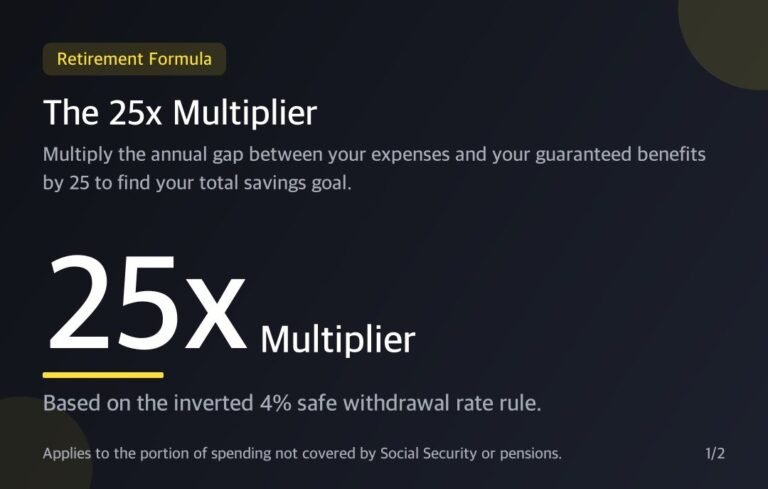
- The 4% Rule: Under this popular planning guideline, a retiree withdraws about 4% of their initial retirement portfolio during the first year and adjusts for inflation afterward. For a $252,800 account balance, a 4% initial withdrawal provides roughly $10,112 during the first year, or about $843 per month before taxes.
- Total Estimated Income: Combining $843 from savings with a $1,607 Social Security benefit yields approximately $2,450 per month before taxes and adjustments.
Keep in mind that averages do not reflect every individual’s financial situation. Actual income depends on account balances, investment results, withdrawal decisions, and eligibility rules.
Managing Expenses in Retirement
Whether $2,400 to $2,450 per month is enough depends largely on household expenses:
- Housing: Rent, property taxes, homeowners insurance, utilities, and repairs consume a substantial portion of monthly income.
- Healthcare: Medicare becomes available at age 65 for eligible individuals, but it does not cover every expense. Premiums, deductibles, prescription drugs, dental, vision, and long-term care needs add extra costs.
- Living Expenses: Groceries, transportation, vehicle insurance, fuel, and phone service quickly add up.
Creating a realistic monthly spending plan helps distinguish necessary expenses from discretionary spending and identifies potential financial gaps early.
Smart Planning and Withdrawal Strategies
Reviewing expected income and expenses in advance gives retirees more flexibility. Key strategies include:
- Reviewing Benefit Statements: Use personalized Social Security estimates rather than national averages to build a realistic budget.
- Coordinating Withdrawals: Balance current needs with the possibility of a 25- to 30-year retirement while monitoring tax implications for traditional versus Roth accounts.
- Exploring Housing and Work Options: Some retirees consider downsizing, relocating to lower-cost areas, or engaging in flexible part-time work to supplement income.
Careful planning and regular reviews empower retirees to make informed decisions about claiming benefits, managing savings, and meeting everyday expenses.