
Selling a high-value collectible car can net hundreds of thousands of dollars, but retirees collecting Social Security need to understand how the profit interacts with federal benefit rules. Depending on whether you are classified as a casual collector or a professional dealer, a major vehicle sale can either count as zero earnings or trigger substantial benefit withholding.
How Social Security Treats Capital Assets for Collectors
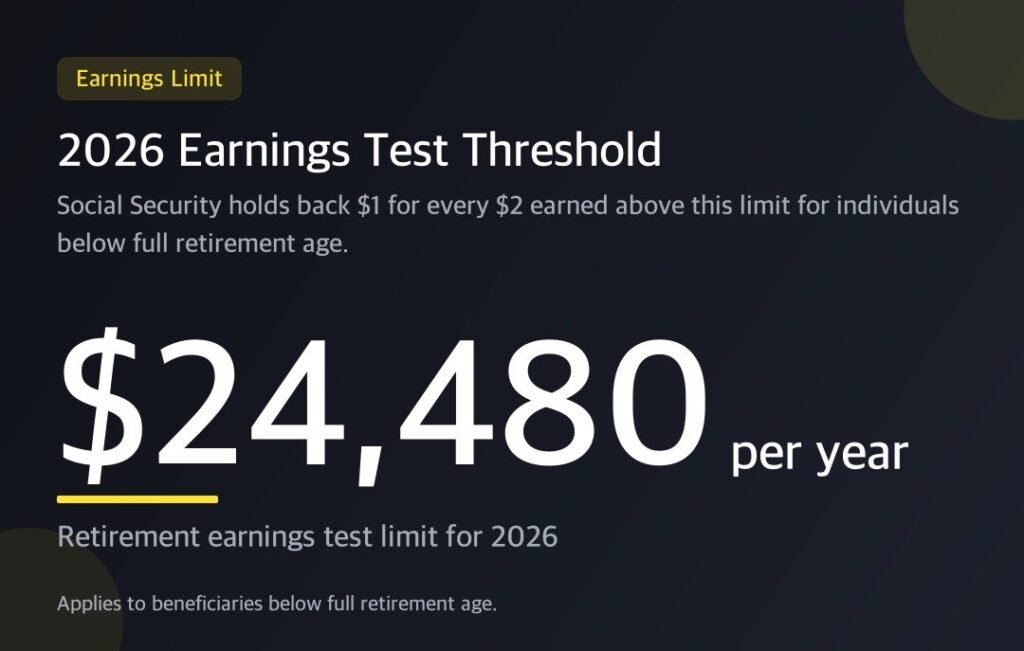
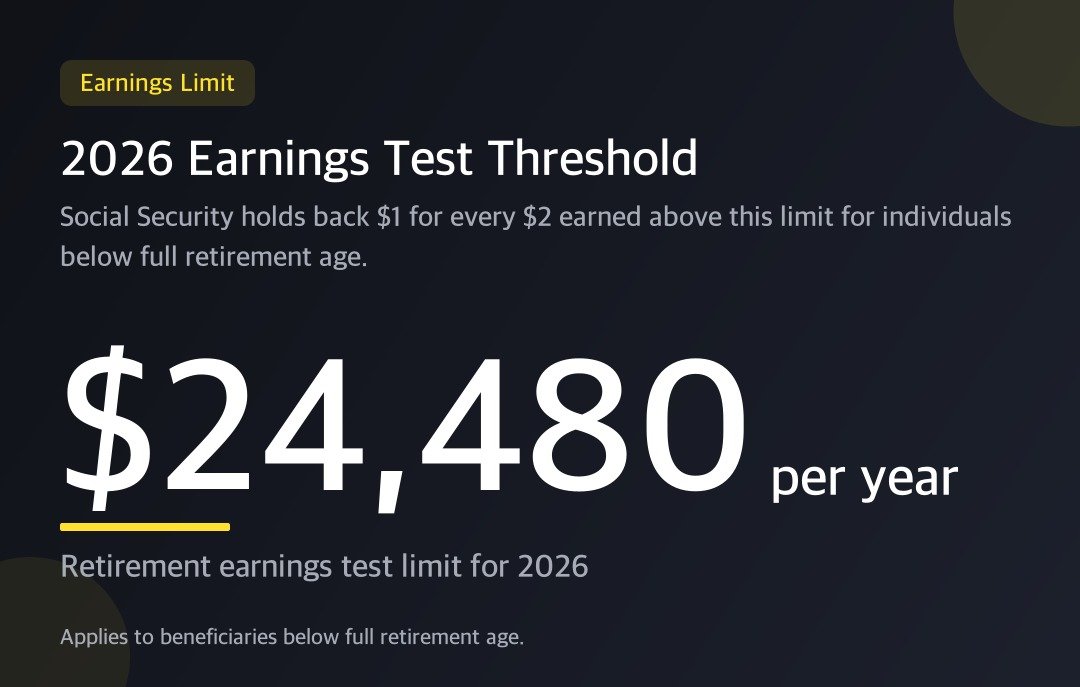
For a 64-year-old retiree below full retirement age, checks are subject to the Social Security earnings test. In 2026, the program holds back 1 dollar in benefits for every 2 dollars earned above 24,480 dollars.
However, under IRS guidance, property held for personal use or as an investment is considered a capital asset. When Social Security calculates self-employment earnings, it excludes gains from selling capital assets. For example, if you sell a car for 300,000 dollars with a 90,000 dollar adjusted basis and 10,000 dollars in qualifying selling expenses, your 200,000 dollar gain generally counts as 0 dollars in earnings, avoiding immediate benefit withholding.
Why Car Dealers Face Different Social Security Rules
Property held mainly to sell to customers in the regular course of business is treated as inventory rather than a capital asset. If you regularly buy and flip collectible cars, your profit is classified as net business profit.
- Collector Treatment: Capital gain of 200,000 dollars results in approximately 0 dollars counted for the earnings test.
- Dealer Treatment: Net business profit of 200,000 dollars is adjusted down to about 184,700 dollars after the 92.35% adjustment.
Applying the 1-for-2 rule to a dealer’s figure can result in roughly 80,110 dollars in withheld benefits. This can pause benefit checks for the remainder of the year. While Social Security recalculates monthly benefits at full retirement age to credit withheld months, the temporary loss of income can disrupt retirement planning.
Factors That Determine Your Status
Social Security and the IRS examine specific behaviors to decide whether you operate as a collector or a dealer:
- Frequency: How often you buy and sell vehicles.
- Intent: Whether you bought the car for personal enjoyment and investment or to resell quickly.
- Marketing: If you actively run listings, advertise, or build a customer base.
- Operations: Whether you maintain a lot, fix up cars specifically for resale, or utilize dealer channels.
- Tax Reporting: How your past tax returns report the vehicles.
Impact on Taxes and Combined Income
Even when a capital gain stays completely out of the Social Security earnings test, it still counts toward your adjusted gross income. This increases your combined income, which determines whether up to 85% of your Social Security benefits become taxable once income exceeds 34,000 dollars for single filers or 44,000 dollars for joint filers.