
Are Social Security Benefits Being Cut for 2027?
If you are one of the millions of Americans relying on Social Security, recent headlines about the program’s financial future may have left you feeling concerned. With ongoing discussions about trust fund reserves, a common question has emerged: Are Social Security benefits being cut for 2027?
The short answer is no. Social Security benefits are not being cut. In fact, beneficiaries will see an increase in their monthly payments thanks to a newly announced cost-of-living adjustment (COLA).
The 2027 Social Security COLA Increase Explained
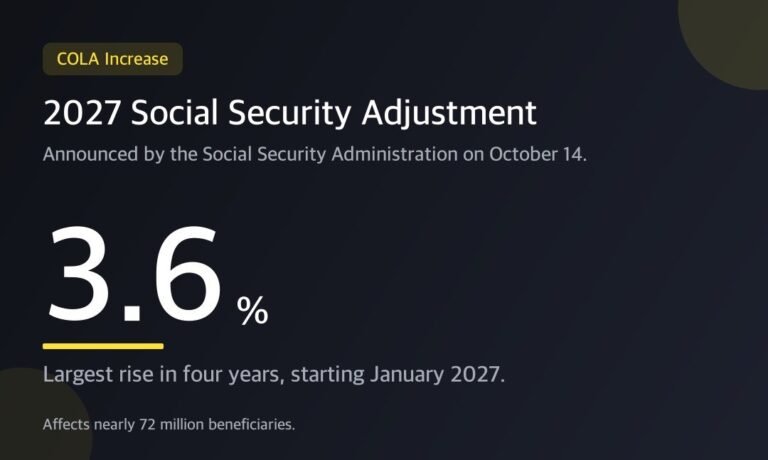
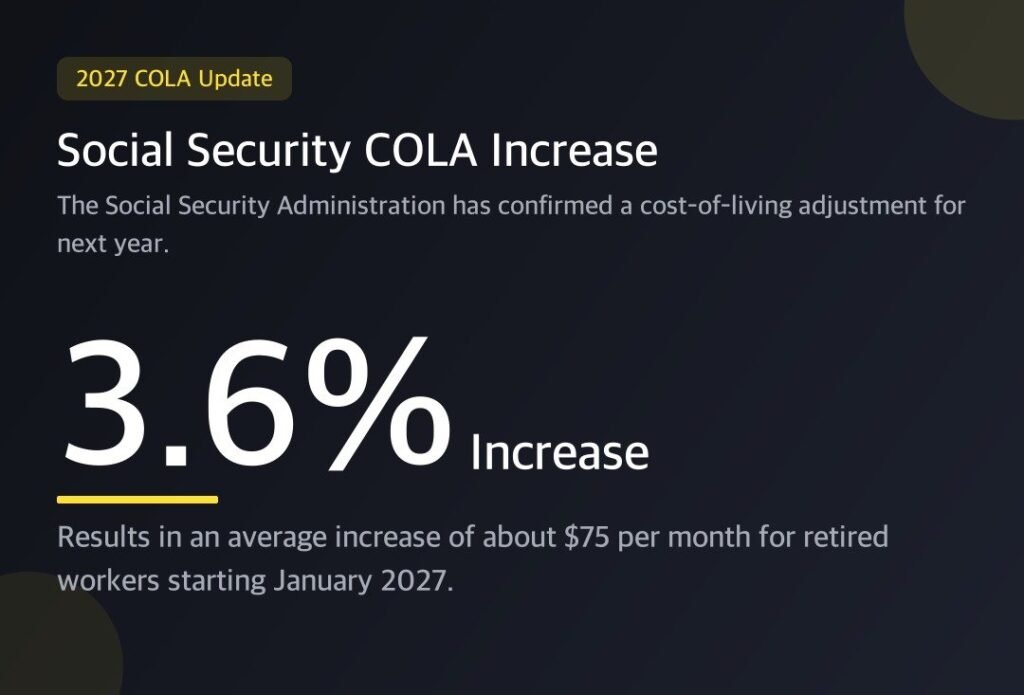
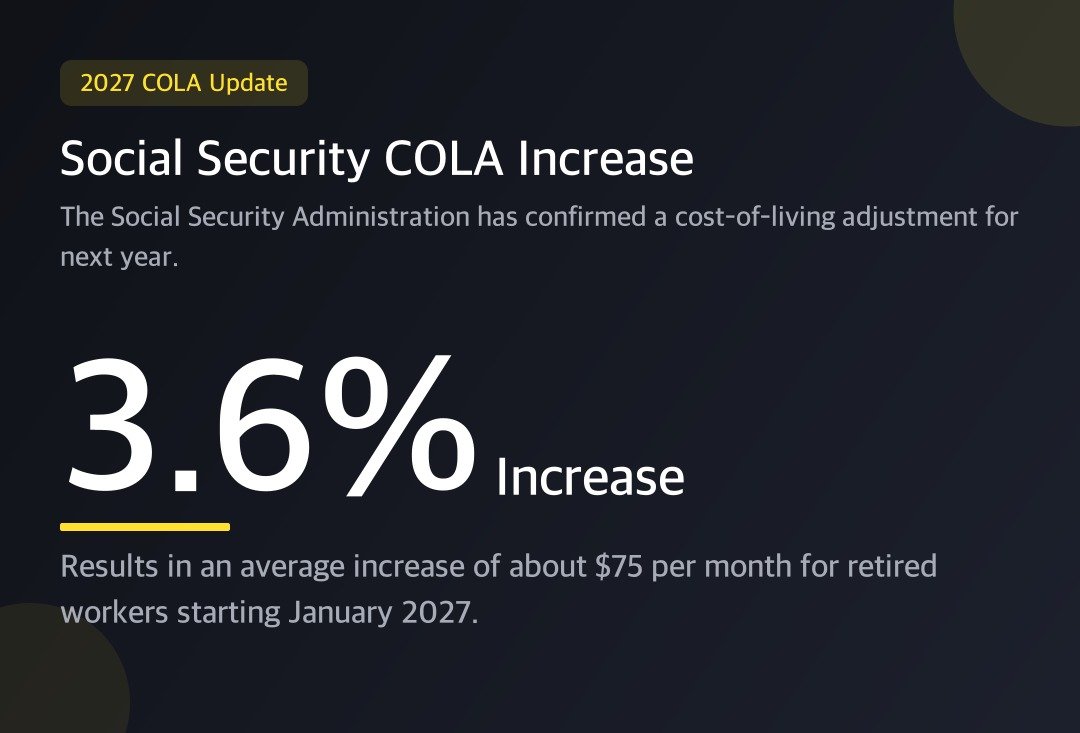
The Social Security Administration (SSA) officially confirmed a 3.6% cost-of-living adjustment (COLA) for 2027. Announced on October 14, this adjustment brings welcome financial relief to nearly 72 million Social Security beneficiaries, alongside broader changes impacting roughly 76 million people receiving Social Security and Supplemental Security Income (SSI).
- Retiree Payments: The average retired worker is expected to receive approximately $75 more per month.
- Payment Timeline: Higher monthly benefits will begin arriving in January 2027.
- SSI Payments: Increased Supplemental Security Income payments will start even sooner, arriving on December 31, 2026.
Current beneficiaries can expect to review their updated benefit notices through their personal my Social Security accounts online in late November, with mailed notices arriving in December.
Why Are People Talking About Social Security Cuts?
While the short-term news is positive, growing concerns about the retirement program’s long-term financial stability have sparked questions regarding potential future reductions.
Social Security is funded primarily through payroll taxes paid by workers and employers, supplemented by trust fund reserves that cover shortfalls when incoming revenue is insufficient. According to the 2026 Social Security trustees’ report, the financial outlook faces a significant milestone in the coming decade:
- Old-Age and Survivors Insurance (OASI) Trust Fund: Reserves supporting retirement and survivor benefits are projected to be depleted in the fourth quarter of 2032 unless Congress takes legislative action.
- Combined Trust Funds: When considering retirement and disability trust funds together, combined reserves are projected to be depleted in 2034.
What Does Trust Fund Depletion Mean?
If the trust fund reserves run out and current laws remain completely unchanged, continuing payroll tax income would still be sufficient to cover approximately 78% of scheduled benefits for OASI in 2032, and roughly 83% for the combined funds in 2034.
This gap is the origin of warnings about a potential reduction of roughly 22%. However, it does not mean the government has approved an automatic 22% cut, nor does it mean every recipient will automatically lose that portion of their benefits in 2032. These dates are long-term forecasts that can shift based on economic conditions, wage growth, employment levels, and future congressional action.
Can Congress Prevent Future Benefit Reductions?
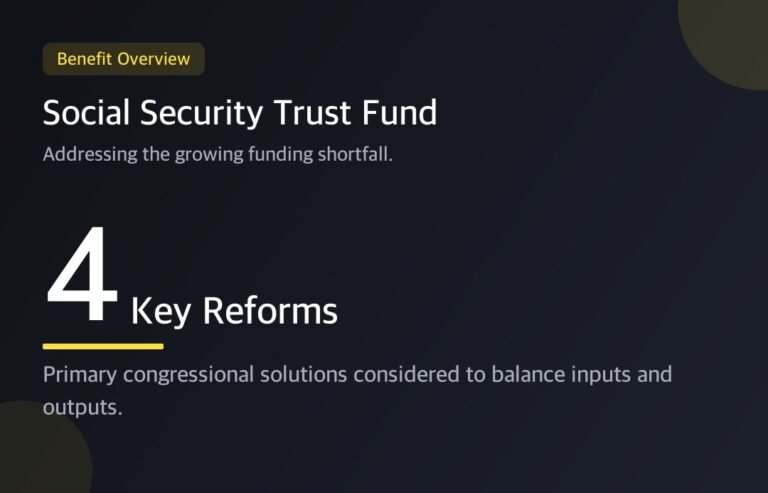
Lawmakers have multiple legislative options to address the funding gap and strengthen Social Security’s long-term finances before the projected depletion dates. Commonly discussed proposals include:
- Increasing payroll tax revenue.
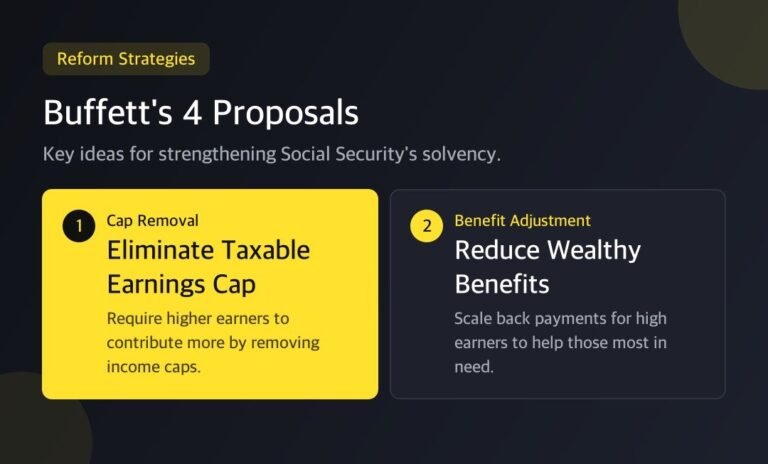
- Raising the maximum amount of earnings subject to Social Security taxes.
- Modifying specific benefit rules.
- Combining revenue increases with other structural reforms.
While these options involve political and economic trade-offs—such as higher contributions from workers and employers or adjustments to future benefits—Congress has not yet enacted a comprehensive solution to eliminate the projected shortfall.
For now, current beneficiaries can look forward to the 3.6% COLA increase arriving in late December 2026 and January 2027, while keeping an eye on whether lawmakers advance new legislation to secure the program’s future.