Social Security Tax Hikes and Wage Cap Debates Explained
Social Security taxes have traditionally been an area where Republican lawmakers strongly resisted increases. However, recent discussions signal that additional tax revenue may need to be part of any legislative deal to shore up the program. With looming financial deadlines facing trust fund reserves, lawmakers are exploring multiple reform options, including raising or removing taxable wage caps and adjusting tax rates.
2026 Social Security Tax Limits and Wage Caps
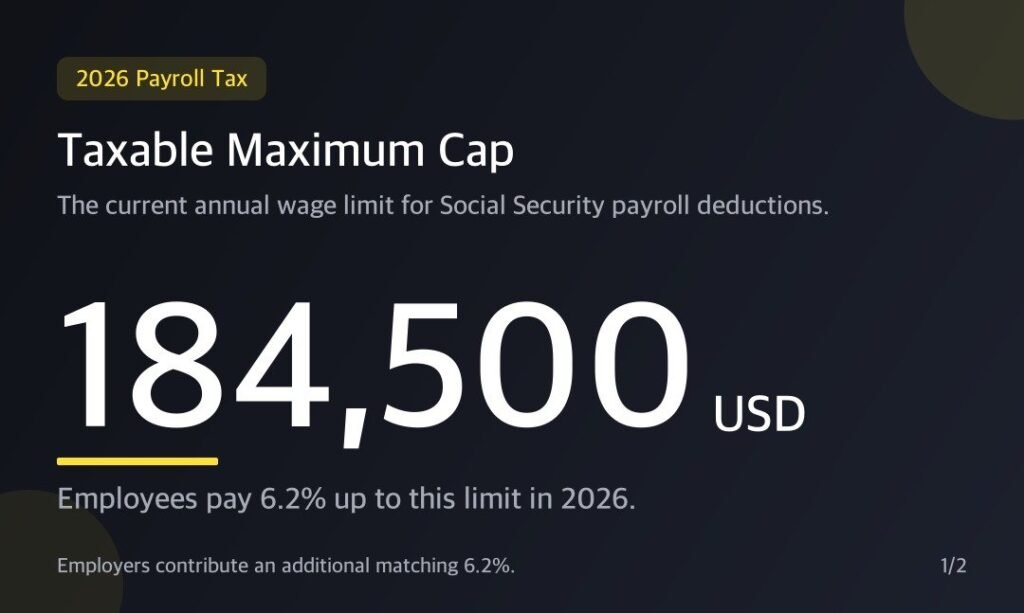
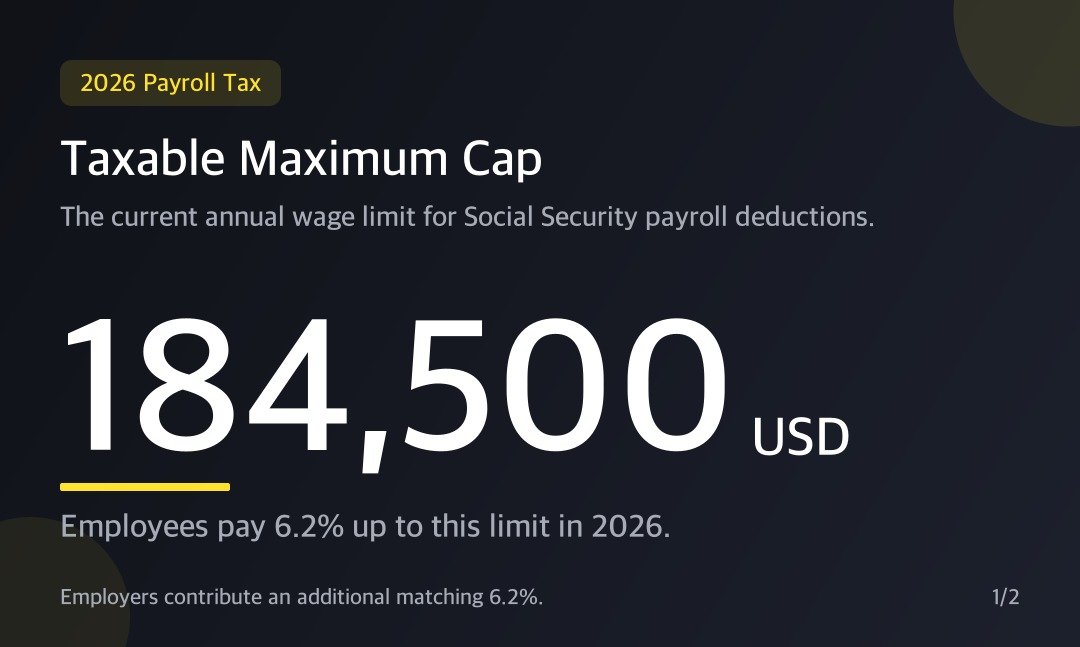
Under current rules for 2026, employees pay a 6.2% Social Security payroll tax on wages up to $184,500, with employers typically matching another 6.2%. Once earnings surpass this annual limit, the Social Security deduction stops for the remainder of the year.
- Earnings at or below $184,500: All wages are subject to the 6.2% payroll tax.
- Earnings above $184,500: Only the first $184,500 is taxed, creating a cap that is now at the center of congressional debate.
Why Lawmakers Are Considering Tax and Benefit Changes
The urgency behind these discussions stems from trust fund projections outlined in the 2026 Trustees Report:
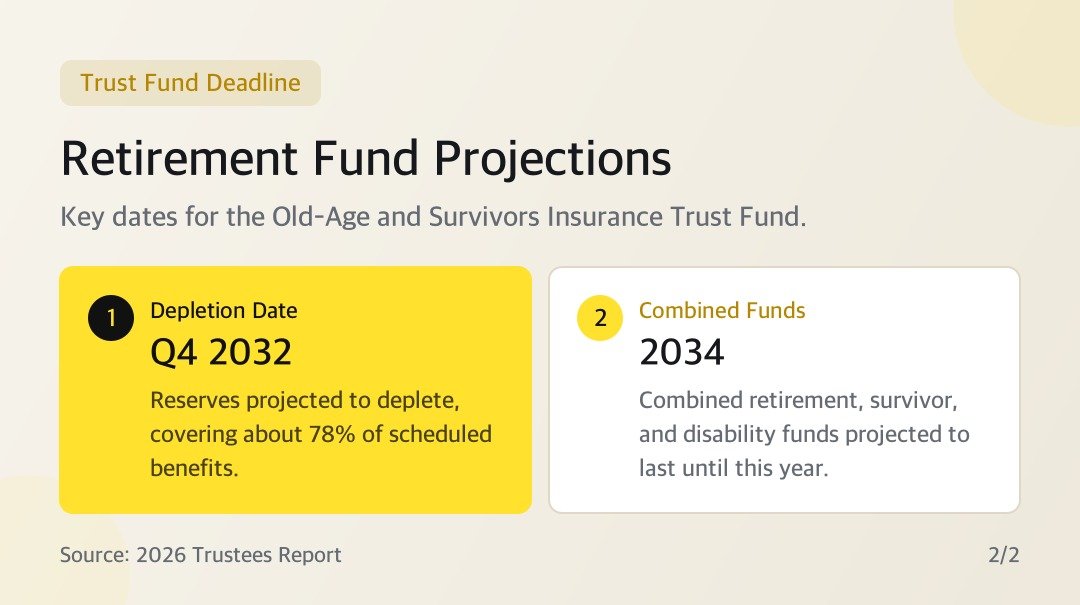
- Old-Age and Survivors Insurance Trust Fund: Projected to deplete its reserves in the fourth quarter of 2032, leaving ongoing revenue to cover about 78% of scheduled benefits.
- Combined Trust Funds: The retirement, survivor, and disability trust funds combined are projected to last until 2034, when about 83% of scheduled benefits would be payable.
Because the retirement fund deadline is closer, lawmakers are reevaluating options that once faced strong resistance.
Potential Changes: Wage Caps and Higher Tax Rates
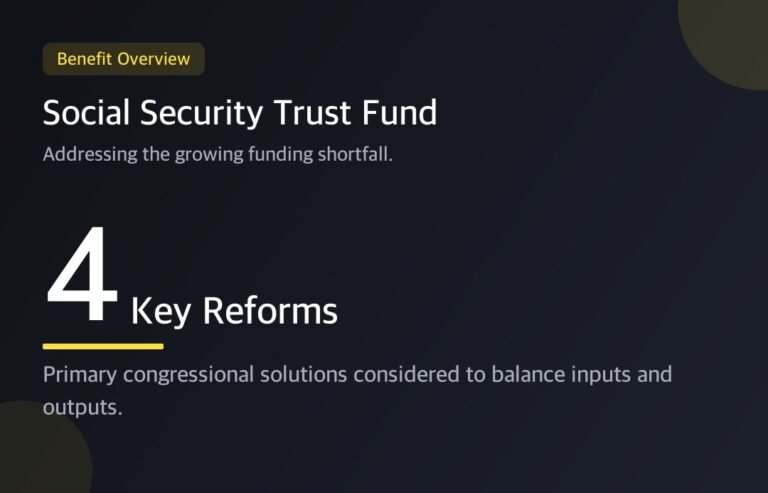
Congressional leaders and lawmakers are considering several distinct approaches to address the funding gap:
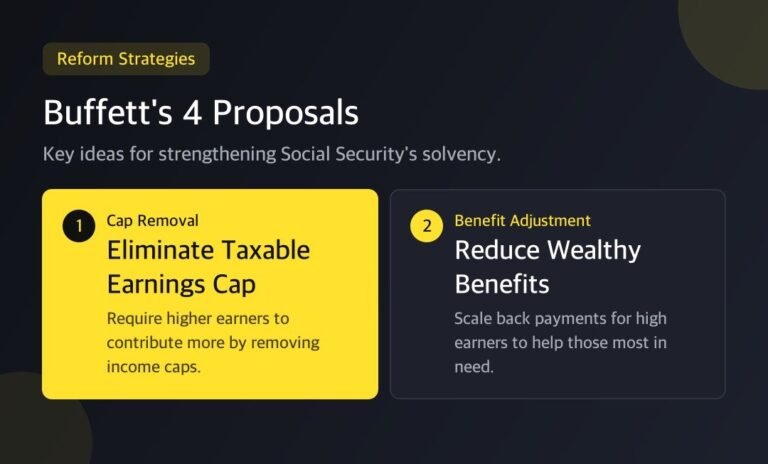
- Lifting or Removing the Wage Cap: Proposals—such as legislation from Sen. Bernie Moreno and Sen. Elizabeth Warren—aim to lift or eliminate the cap so high earners continue paying Social Security taxes past the $184,500 threshold.
- Adjusting the Tax Rate: Rep. Tom Cole of Oklahoma has expressed willingness to look at the tax rate itself, noting that a broader rate change could impact workers across a much wider range of incomes.
- Means Testing Benefits: Lawmakers like Rep. Lloyd Smucker of Pennsylvania have discussed introducing means testing to evaluate whether high-income retirees should access Social Security benefits in the same manner as lower-income beneficiaries.
What This Means for Your Paycheck Today
Despite shifting political discussions, your paycheck is not changing immediately. The 6.2% employee tax rate and the $184,500 taxable maximum remain fully in place for 2026. Any future adjustments to tax rates, thresholds, or caps will require formal congressional legislation before affecting worker take-home pay.